ISLAMABAD: Pakistan is seeking to boost rice exports to Turkiye by offering globally competitive prices and increasing shipment volumes, as intense competition from rival exporters squeezes margins in international markets.
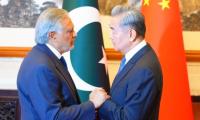
Commerce Minister Jam Kamal Khan discussed trade cooperation with Turkish Ambassador Irfan Neziroglu on Monday, focusing on ways to expand Pakistan’s rice exports following a strong domestic harvest, according to a government statement.
The talks, held at the Ministry of Foreign Affairs on the direction of Prime Minister Shehbaz Sharif, come as Pakistan looks to prioritise agricultural exports to support farm incomes and shore up foreign exchange earnings.
Khan said Pakistan has sufficient exportable rice supplies this season but faces pricing pressure from competitors such as India and Vietnam. While export volumes remain strong, aggressive pricing by rival suppliers has weighed on global prices, he said.
To remain competitive, the government has developed a pricing support mechanism in consultation with exporters that would allow Pakistan to match prevailing international prices, the minister told the Turkish side. Pakistan is prepared to supply both basmati and non-basmati rice to Türkiye at competitive rates, he added, urging Ankara to consider higher import volumes.
Pakistan’s focus is on expanding volumes rather than maximising prices in order to protect farmers and sustain the agricultural value chain, Khan said. Both sides also discussed the use of government-to-government trade channels alongside private-sector arrangements to facilitate bulk procurement. Under the proposed framework, Pakistan’s state trading entities would coordinate with Turkish public and private institutions, including state grain bodies, to support large-scale purchases where pricing is competitive.
Khan raised market-access issues including tariff-rate quotas, import licensing procedures and the possibility of reduced or zero tariffs on basmati rice. He called for better utilisation of the existing 18,000-metric-ton tariff-rate quota under the Pakistan–Türkiye Preferential Trade Agreement, which he said has remained underused due to procedural hurdles.
Neziroglu welcomed the proposals and reiterated Türkiye’s commitment to strengthening economic ties with Pakistan. Bilateral trade remains below potential despite close political relations, he said, recalling the joint target of reaching $5 billion in annual trade set under the High-Level Strategic Cooperation Council.
Both sides agreed to step up engagement between business communities through trade delegations and exhibitions, and to hold technical-level talks in the coming weeks to advance discussions on rice trade, preferential tariff access and broader cooperation in agriculture, food processing and value-added rice products.