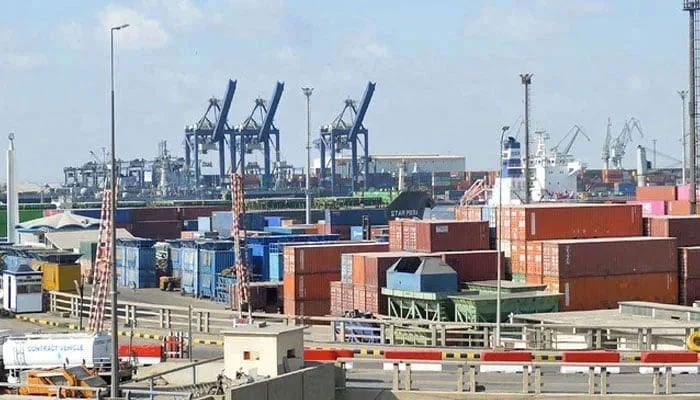
KARACHI: Hutchison Ports KICT has completed the biometric registration of more than 15,000 truck drivers to enhance operational efficiency, safety and transparency across container handling operations, according to a statement issued on Tuesday.
The initiative was soft-launched on January 1, 2026, and following the successful onboarding of the trucking community, the system will officially go live on April 1, 2026. The biometric verification platform enables quick and reliable identification of truck drivers entering the terminal, allowing for smoother access management and more efficient coordination of container movements.
By integrating technology into gate operations, the system supports faster verification processes, reduces manual checks, and contributes to a more streamlined flow of vehicles within the terminal.
With the introduction of the biometric verification system, pedestrian movement within operational areas has also been reduced by approximately 90 per cent to support a safer working environment for drivers, terminal staff, and equipment operators.
KICT has also introduced a reward and recognition program for registered drivers visiting the terminal, and more than 12,000 entries have already been received, with three motorbikes to be awarded through a lucky draw.
Navaid Qureshi, chief executive officer of KICT, said: “Technology plays a key role in improving the efficiency, safety, and reliability of modern port operations. The biometric verification system is an important step towards building a more transparent and well-coordinated logistics environment at KICT. By digitising driver verification, we are enabling faster processes, improving operational visibility, and supporting a safer working environment for the trucking community and terminal staff.”