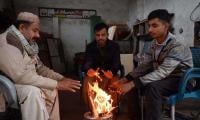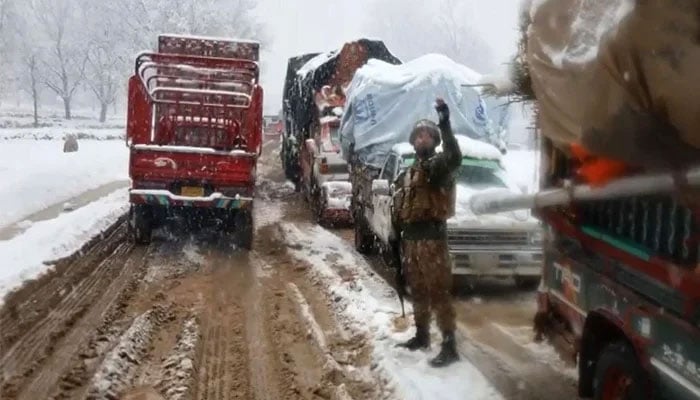
As residents of Tirah Valley once again leave their homes amid snow and uncertainty, the debate over whether this movement is ‘seasonal’ or security-related risks overshadowing what should matter most: the welfare and dignity of the people themselves. While official statements have sought to clarify the cause, families on the ground are navigating freezing roads, disrupted livelihoods and an all-too-familiar sense of abandonment. The federal government has firmly denied reports of a military operation in Tirah, describing the current movement as a routine, annual migration linked to harsh winter conditions. According to Defence Minister Khawaja Asif, such migration has occurred for decades and was agreed upon through consultations between the provincial government and a local jirga, with Rs4 billion allocated for relief and support. The government has also said that intelligence-based operations, rather than large-scale military action, have been the preferred security approach in the area for years. These clarifications are important, particularly at a time when misinformation can easily inflame tensions. Yet they do not fully address the deeper discomfort surrounding Tirah’s recurring displacement. Even if the movement is seasonal and voluntary, it raises a troubling question: why does a part of Pakistan remain so underdeveloped and unsupported that winter still forces its residents to abandon their homes?
The Tirah situation also points to a broader institutional disconnect. While federal authorities have rejected claims of evacuation, the Khyber Pakhtunkhwa government has issued notifications for relief funds and temporary arrangements. This divergence in messaging has contributed to public uncertainty and, more importantly, left displaced families unsure of where responsibility truly lies. Perhaps the most revealing aspect is the acknowledgement by federal ministers of what Tirah lacks: police stations, hospitals and schools – basic features of citizenship. Their absence points less to a momentary crisis and more to a long-standing governance gap. Where civilian administration is weak or absent, security challenges become harder to manage and social trust erodes. The federal government has hinted at illegal cannabis cultivation in the valley and its alleged links to militant financing and political interests. If such parallel economies have taken root, it reflects not only criminality but the consequences of sustained neglect.
While officials debate narratives and lob blame at each other, the humanitarian reality remains constant. For the people of Tirah, what matters is access to safe shelter, healthcare, food and clear timelines for return. Recurrent disruption, even when predictable, exacts a heavy toll on education, income and social stability. This matters in a wider national context as well. Pakistan continues to face serious security challenges, particularly in Khyber Pakhtunkhwa and Balochistan, where militant violence has surged in recent years. In such an environment, governance failures, communication gaps and uneven state presence shape how communities relate to the state itself. Where people feel unseen or unheard, the space for mistrust and radicalisation grows. Yet it would be equally misplaced to reduce Tirah solely to a security problem. There is no doubt that terrorism requires a firm and coherent security response. But it cannot be fought through operations alone while regions like Tirah remain outside the fold of routine governance. Without a political consensus, clear civilian authority and development-driven state presence, security measures will remain temporary fixes rather than lasting solutions. The tragedy of Tirah is that after decades of conflict, displacement and promises of normalcy, its people still lack the basic protections of citizenship. Whether today’s movement is labelled evacuation or seasonal migration, the deeper issue remains unchanged: Pakistan continues to treat some of its citizens as administratively optional.