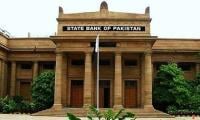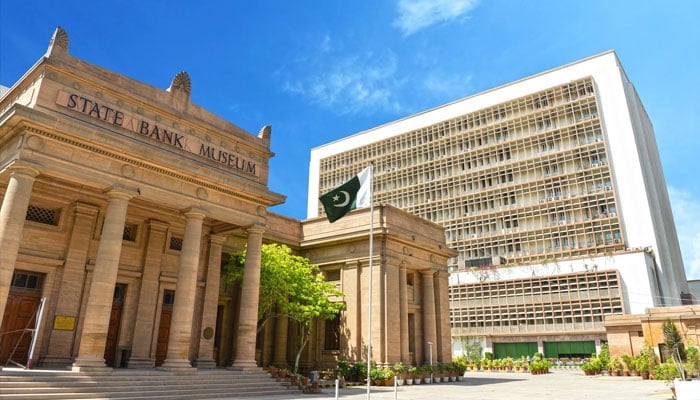
In its first Monetary Policy Committee meeting of the calendar year 2026, the State Bank of Pakistan (SBP) surprised analysts by keeping the interest rate unchanged at 10.5 per cent. According to the SBP, the MPC decided to keep interest rates unchanged as inflation met expectations at 5.6 per cent, though core inflation remains stubbornly high at 7.4 per cent. While the economy is growing faster than anticipated, rising imports have widened the trade deficit. However, strong remittances from workers abroad and lower global commodity prices have helped keep the overall account deficit manageable. This convinced the SBP to be cautious and avoid premature monetary easing. This decision, however, is likely to sit poorly with the business community. That the SBP has once again opted for caution makes sense; global uncertainty, commodity price risks and geopolitical tensions do warrant vigilance. But it is also important to note that a high interest rate has resulted in tight conditions for businesses, leading to thin profit margins and fewer incentives to keep going.
Businesses have been raising their voice against the high interest rate, claiming that persistently high borrowing and energy costs had been inflicting serious harm on industrial output and export competitiveness. A few days ago, the Pakistan Business Forum (PBF) also highlighted that the cost of doing business is higher in Pakistan than in other countries in the region. Last year, when the Trump administration announced high tariffs on imports from countries outside the US, businesses in Pakistan said that while the tariff rate on Pakistan is low, the country cannot capitalise on it because the cost of doing business is so high that any relief is meaningless. On top of this, countries with high interest rates have some cushion to absorb economic shocks, leaving Pakistan far behind.
Whether or not the country faces harsh conditions for running businesses, the MPC is right to emphasise the need for policy coordination. Monetary restraint, by itself, cannot deliver sustainable growth or external balance. Structural reforms, export diversification and credible fiscal discipline are prerequisites for avoiding another boom-bust cycle. Pakistan has the habit of stretching itself when things start looking better, ignoring the fact that stability requires patience. There have been instances in which leniency has led to higher, unsustainable demand, triggering an abrupt financial crisis. The MPC’s decision suggests that the central bank is determined not to repeat those mistakes. It was perhaps these very mistakes that led us to a default risk in 2022. For now, the SBP has bought itself time by holding rates steady. The step forward should be for the authorities to use this window to address long-standing structural weaknesses, as has been the case in recent months. Economic growth requires long-term fixes and we can only hope that the authorities will opt for prudence over popular decisions.