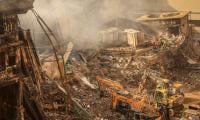
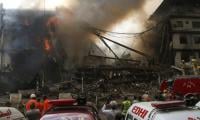
As the smoke still rises from the ruins of Gul Plaza and families wait in hospital corridors for DNA reports, Pakistan’s political class has already begun to turn a human catastrophe into a constitutional argument. The debate in the National Assembly, ostensibly about fire safety and local government, was revealing less for what it proposed than for how quickly tragedy was folded into familiar rivalries and deflections. At least 27 people are now confirmed dead and more than 80 are reported missing. Entire families who went shopping for weddings may never return. Shopkeepers who built their lives over twenty years now stand before ash and rubble. Yet in Islamabad, the dominant question became not how this building turned into a death trap but which tier of government should shoulder the blame. The absence of empowered local governments has been highlighted, with federal government ministers arguing that the 18th Amendment has become a hoax and that provinces have centralised power while denying cities the tools to manage safety. There is truth in this. Karachi’s municipal institutions are chronically weak, starved of authority and continuity. Fire safety inspections, building approvals, traffic management and emergency response all sit uneasily between provincial departments and hollowed-out city governments. A functioning local government system could have enforced exits, checked illegal extensions, ensured hydrants worked and coordinated a faster response.
More disturbing was the tone adopted by other lawmakers, some even trying to trivialise the fire. Such attempts at normalising a catastrophe are dangerous. Fires happen everywhere, but mass deaths happen where exits are locked, alarms absent, sprinklers nonexistent and enforcement a fiction. Reportedly, 24 of Gul Plaza’s 26 gates were closed and shops had encroached into parking areas and corridors. This much has been acknowledged by officials too, and is an admission that should end the debate about fate and accidents. People died not because fire is unpredictable, but because the building was designed and allowed to become a trap. There were failures of governance, not of destiny. The anger about Karachi’s neglect is justified. Yet declarations and committees are now routine after every disaster. Baldia Town had them. So did countless factory and market fires since. What Karachi does not have is a record of sustained prosecutions and structural reform. The chief minister has promised that heads will roll. An inquiry committee has been formed. An electrical fault is being floated as a possible cause, though even that remains uncertain. These steps are necessary, but will mean nothing if the inquiry ends where so many others have ended: junior officials suspended, reports shelved and business resuming in the next unsafe building.
Criminal proceedings must follow against those responsible for approving, modifying and operating this building in violation of the law. A citywide audit of commercial and public buildings must begin at once, with closures that are enforced. Fire services need modern equipment, reliable hydrants, training and authority to seal unsafe premises. Sprinkler systems, alarms, ventilation and multiple exits must become non-negotiable. Longer term, Karachi needs empowered and accountable local governments. But empowerment without accountability will only reproduce the same neglect at a different level. The true test of this moment is whether Gul Plaza becomes another name added to Karachi’s long obituary or the point at which the state and government finally admit that preventable deaths are crimes.