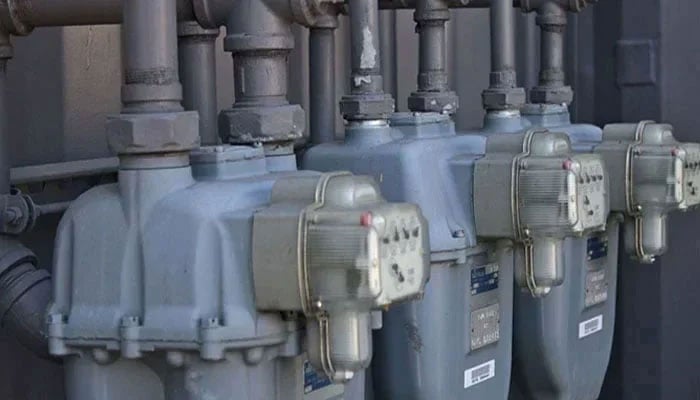
ISLAMABAD: Pakistan’s energy sector is edging towards a structural breakdown as state-owned gas utilities have failed to pay Rs1.55 trillion to domestic oil and gas producers, pushing the upstream sector into a prolonged liquidity crisis and accelerating the decline in indigenous gas production at a time of mounting economic stress.
The unpaid receivables—largely accumulated by Sui Southern Gas Company Limited (SSGCL) and Sui Northern Gas Pipelines Limited (SNGPL)—have become one of the most severe financial choke points in the country’s energy value chain.
According to the latest data, Rs991 billion, or 64 per cent of total dues, has remained unpaid for more than one year, in clear violation of contractual payment obligations that require gas utilities to settle invoices within 30 days. The scale of the default has been formally highlighted by the Pakistan Petroleum Exploration and Production Companies Association (PPEPCA) in a letter dated January 13, 2026, addressed to the federal secretary of the Petroleum Division.
The impact of sustained non-payment is now clearly visible in falling gas output. Pakistan’s upstream sector currently produces about 2,684 million cubic feet per day (MMSCFD) of natural gas, meeting just over 30 per cent of the country’s primary energy demand.
This marks a sharp decline from peak production levels of nearly 4 billion cubic feet per day, with industry officials directly attributing the drop to cashflow constraints that have forced exploration and production companies to scale back drilling, defer development projects and abandon marginal fields.
This deterioration, PPEPCA mentions, has occurred despite repeated increases in consumer gas prices. Since November 2023, the government has notified five separate gas tariff hikes, including the most recent adjustment in July 2025, aimed at improving the financial health of gas utilities. However, industry sources say the tariff increases have failed to translate into improved payment discipline, as revenues continue to be absorbed by system losses, inefficiencies, debt servicing and circular debt, leaving upstream producers unpaid.
As of September 30, 2025, outstanding receivables excluding late payment surcharges stood at Rs826.19 billion from SSGCL, including USD 339.37 million in foreign currency obligations, and Rs720.97 billion from SNGPL, including USD 7.28 million. These figures are based on submissions from major upstream companies such as OGDCL, PPL, POL, Mari Petroleum, GHPL, KUFPEC, UEP, Prime, Al Haj, OPI, and POGC. PPEPCA has cautioned that the actual receivables of the sector may be even higher, as some companies have yet to provide complete data.
The continued breach of Petroleum Concession Agreements and Gas Sale Agreements has severely undermined investor confidence. Over the past decade, several local and international exploration companies have exited Pakistan, citing mounting receivables, payment uncertainty, and weakening commercial viability. Those that remain have significantly reduced capital expenditure, raising concerns about the sustainability of future gas supplies.
PPEPCA has urged the Ministry of Energy (Petroleum Division) to take urgent corrective measures, including financial restructuring of gas utilities, enforcement of contractual payment obligations and establishment of sustainable mechanisms to prevent further accumulation of receivables. Without decisive intervention, industry insiders caution that Pakistan risks irreversible damage to its upstream oil and gas sector—turning a prolonged payment default into a full-scale energy security and macroeconomic crisis.