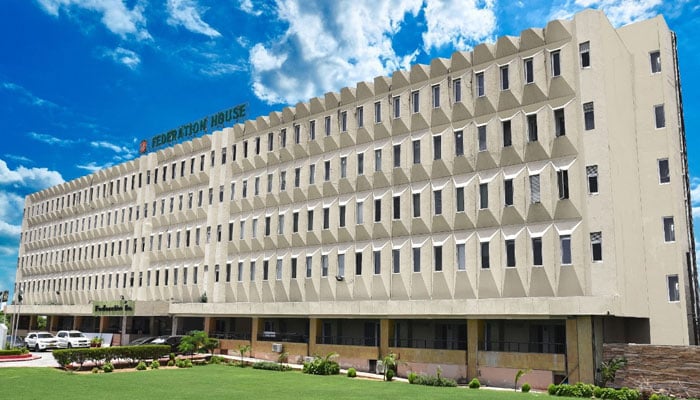
KARACHI: Vice President of the Federation of Pakistan Chambers of Commerce and Industry (FPCCI) Amaan Paracha has criticised the government’s decision to increase the petroleum levy on petrol and diesel, saying that while global oil prices have declined, the full benefit is not being passed on to consumers. Instead, higher taxes on petroleum products are adding to public distress at a time when people are already burdened by inflation.
In a statement on Saturday, Paracha urged the government to transfer the benefit of lower international oil prices to the domestic market in order to curb inflation and reduce the high cost of doing business.
He said the government had increased the petroleum levy on petrol by Rs4.65 per litre, raising it from Rs79.62 to Rs84.27 per litre. The levy on diesel was also raised by 80 paisa per litre, from Rs75.41 to Rs76.21 per litre. Had the levy been kept unchanged, he added, petrol prices could have fallen by around Rs4.5 per litre.
Paracha said taxes on petroleum products in Pakistan are among the highest in the world, yet the benefits of these taxes are not reflected in public development or welfare. He noted that both the public and the business community continue to pay heavy taxes, while the government repeatedly cites low tax collection, despite widespread corruption and a persistently slow pace of development.
He said that internationally, reductions in petroleum prices are typically passed on to consumers. In contrast, whenever global oil prices rise, the government immediately increases domestic prices. As a result, he argued, end consumers are denied relief through higher taxation, with petroleum prices often kept unchanged while levies are increased instead.