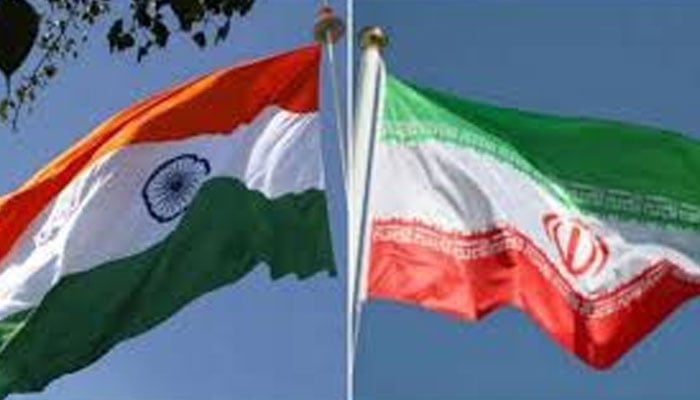
WASHINGTON: India was presented with a new US threat that could further shrink its relationship with an old friend and pose new questions of its foreign policy.
US President Donald Trump has threatened to levy a 25% tariff on countries “doing business” with Iran, adding pressure on the government in Tehran, which has been rocked by widespread protests. To be clear, no tariff notification has been published yet. But, were it to come into effect, here are the many direct and indirect ways it could impact India.
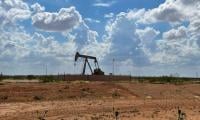
The news sent the price of Brent crude to above $64 a barrel, the highest level since November. A rise that India, which relies mostly on imported fuel, will be watching closely.
India is amongst Iran’s top trading partners albeit with less than $4 billion in total annual trade. It’s unlikely that Prime Minister Narendra Modi would risk an additional 25% US levy to protect Indian exporters of rice, tea and pharmaceuticals to Iran.
In danger though is India’s use of the strategically located Chabahar port on Iran’s southwestern coast that serves as a gateway to reach markets in Afghanistan and Central Asia. India operates the port under a long-term agreement signed with Iran last year and a six-month US sanctions waiver that’s valid until April. It’s not clear if that waiver would protect against a new US levy.
Some experts fear there could also be collateral impact on India’s foreign policy independence. Trump’s actions, first against Russia, then Venezuela and now Iran reshape India’s relationships with these countries, circumscribing the scope of its ‘strategic autonomy’ doctrine.
Yet, India will be in no hurry to react to the Iran tariff threat, Sudhi Ranjan Sen, Bloomberg’s government reporter, said. Given the importance of the US relationship, he expects any reaction from Modi’s government to be “very measured.”
And the final effect, were this new Trump levy to become effective, will be on India’s neighbor China, which ranks as Iran’s top trading partner and biggest buyer of crude.
If recent history is anything to go by, Trump is unlikely to upset the delicate trade truce with Beijing over Iran, Chris Kennedy, lead for Economic Statecraft at Bloomberg Economics, wrote in a report.
He noted that Trump chose not to impose tariffs on China last summer over purchases of Russian oil, despite Beijing being the largest buyer.
Analysis of the Iran tariff threat may soon be moot though, Kennedy pointed out. The US Supreme Court is expected to rule as early as this week on the legality of Trump’s use of the International Emergency Economic Powers Act (IEEPA) to levy tariffs. Kennedy expects the court will disallow them.