Islamabad: The World Wildlife Fund (WWF), a leading environmental and nature conservation organisation, has voiced concern about the massive deforestation in the federal capital, warning the large-scale tree felling is threatening urban biodiversity, air quality, heat regulation and soil stability.
"Islamabad is losing its trees and with them, vital ecosystem services that support our health, wellbeing and biodiversity. We remain committed to constructive engagement and urge authorities to safeguard Islamabad’s green character," the WWF said in a report.
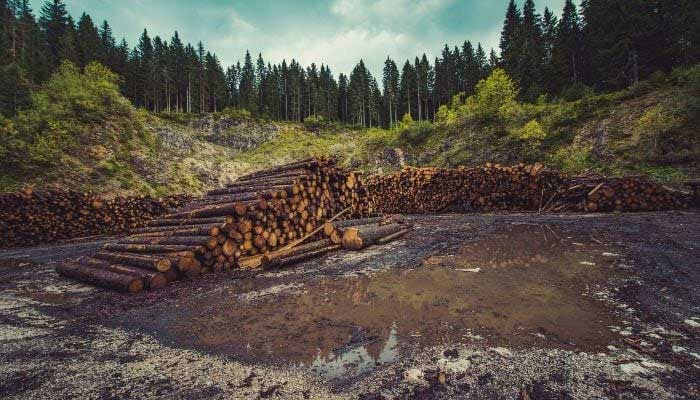
It said its recent field inspections indicated that thousands of trees were being cleared across multiple locations, including H-8, Shakarparian and Margalla Enclave Link Road (Opposite CDA Garden near NIH), far beyond the removal of paper mulberry trees for allergy control. "This large-scale clearance not only threatens urban biodiversity but also reduces air quality, increases heat, and affects storm-water management and soil stability," it said.
The organisation pointed out "temporary yet significant short-term loss of urban tree and vegetation cover at multiple sites, particularly along major corridors and infrastructure development areas; soil exposure, compaction and heightened erosion risks resulting from large-scale clearing and mechanical leveling, and limited transparency and on-site information explaining the purpose, scope and extent of tree removal and land clearing activities, especially at infrastructure sites."
It also complained about lack of clarity on landscaping, compensatory plantation and ecological restoration plans, with a notable absence of visible ecological design at the proposed monument site.
The organisation noted that though reforestation and compensatory plantation efforts were reportedly underway at several locations, their visibility, consistency and ecological design, especially at infrastructure sites, remained unclear.
It said the long-term ecological success of those interventions would depend on transparent decision-making, clear and site-specific restoration planning, prioritisation of native species and independent monitoring to ensure that Islamabad's green character and ecological integrity were effectively safeguarded.
The WWF emphasised the need for complete transparency in tree removal and replantation by calling for the public disclosure of site-specific plans, affected species and timelines, backed by independent verification and clear on-site information.
It stressed that vegetation loss should be minimised by avoiding large-scale clearing as a first principle, requiring pre-construction tree mapping and prioritising the retention of mature native trees.
The organisation said all infrastructure projects must incorporate ecological planning, including approved landscaping and restoration plans before any clearing begins, along with immediate interim measures to control erosion, dust and visual degradation.
The WWF also urged authorities to avoid exotic and alien species, including date palm, in all public plantations and develop and enforce a prohibited species list to prevent ecological mismatch and biodiversity risks.
Highlighting the local context, it advocated for native and mixed-species plantations suited to the Potohar Plateau ecology to enhance biodiversity, reduce water demand and strengthen climate resilience. The organisation also called for mandatory environmental impact assessments and approved ecological restoration plans prior to infrastructure-related clearing.