ISLAMABAD: A woman who was seven months pregnant when she was diagnosed with hilar cholangiocarcinoma, a rare and highly aggressive cancer of the bile ducts, successfully delivered a healthy, full-term baby after doctors performed a highly complex liver surgery followed by carefully modified chemotherapy during pregnancy, Shifa International Hospital officials said on Wednesday.
Hilar cholangiocarcinoma is among the deadliest bile duct cancers, as it develops at the junction where bile ducts exit the liver, making surgery technically challenging even in non-pregnant patients. During pregnancy, particularly in the third trimester, the disease presents an extraordinary clinical challenge because delaying treatment can be fatal for the mother, while aggressive surgery or chemotherapy carries serious risks for the fetus.
According to experts at the Shifa International Hospital, the diagnosis came as a shock to the patient and her family, as the cancer was detected at an advanced stage of pregnancy when treatment options are extremely limited. An expert at the hospital said the woman faced a stark choice between allowing the cancer to progress rapidly or undergoing one of the most complex liver operations known, followed by chemotherapy, while still carrying a near-term pregnancy. After extensive evaluation and repeated multidisciplinary discussions, the medical team concluded that delaying treatment was not an option. Surgeons, oncologists, obstetricians, anesthetists and neonatal specialists jointly determined that a carefully planned surgical approach offered the only realistic chance of survival.
The high-risk surgery was performed by the hepatobiliary and liver transplant team at Shifa under the supervision of Dr Abu Bakar Hafeez Bhatti. During the operation, surgeons removed the cancer-affected portion of the liver along with the involved bile ducts. To restore bile flow, the remaining bile duct system was reconstructed by connecting it directly to the intestine, a procedure rarely attempted during advanced pregnancy.
Hospital officials said the surgery was only the first hurdle, as the aggressive nature of the cancer required chemotherapy even before delivery. This posed another difficult decision because chemotherapy during pregnancy is generally avoided due to potential harm to the fetus.
Following international best practices and careful risk assessment, the oncology team placed the patient on a modified chemotherapy regimen while she was still pregnant. Throughout the treatment, both mother and fetus were closely monitored by obstetric and neonatal teams, and despite the known risks, the chemotherapy was completed without major complications.
“This combination of extensive liver surgery for hilar cholangiocarcinoma during late pregnancy, followed by chemotherapy during pregnancy and a successful full-term delivery, is extremely rare and not well documented in international medical literature,” a senior hospital official said, adding that every decision was taken to balance maternal survival with fetal safety.
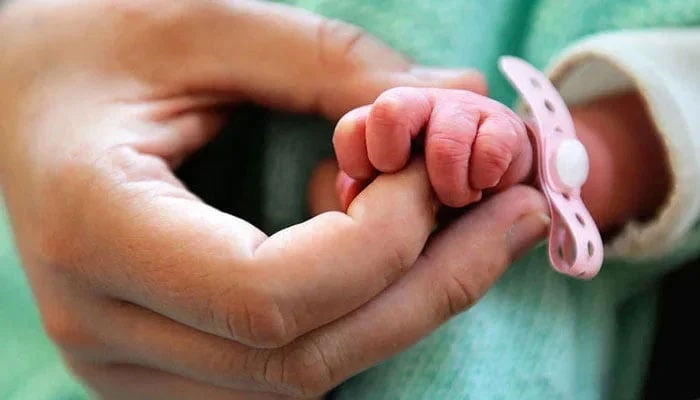
Weeks later, the woman went into labour and delivered a healthy, full-term baby through normal vaginal delivery. Hospital officials confirmed that both mother and child are currently doing well. Doctors involved in the case described it as a powerful example of what coordinated, patient-centred care can achieve in the most complex clinical situations, stressing that early diagnosis, rapid decision-making and seamless collaboration across multiple medical specialties were critical to the outcome.
Hospital representatives said the case highlights the growing need for advanced, multidisciplinary cancer care in Pakistan, particularly for women who develop life-threatening illnesses during pregnancy, where delays or fragmented care can have fatal consequences.
The Shifa International Hospital said it continues to document and review rare and complex cases to improve clinical learning and outcomes for patients facing similarly difficult medical choices.