ISLAMABAD: Pakistan’s textile industry has raised strong objections to a proposed customs facilitation regime, warning that duty-free and zero-rated imports of textile items could severely damage domestic manufacturing and worsen the challenges faced by the already stressed upstream sector.
In a formal communication on December 29, 2025 addressed to Ashaad Jawwad, member (Customs Policy) of the Federal Board of Revenue (FBR), the All Pakistan Textile Mills Association (Aptma) expressed serious reservations over the inclusion of textile-related goods, particularly fabrics, in the draft S.RO 2488(I)/2025, issued on December 24, 2025.
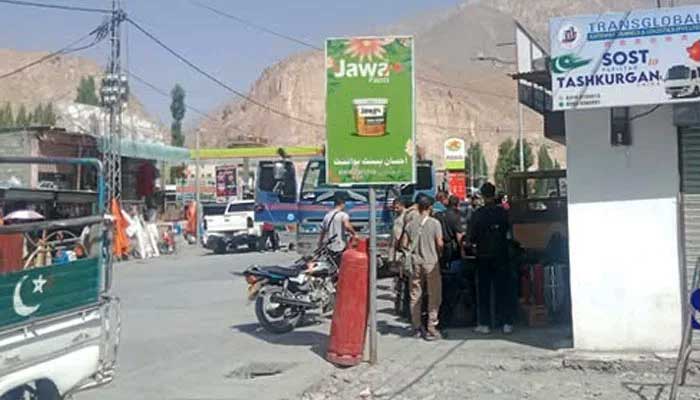
The draft SRO proposes a special procedure for clearance of goods from Customs Dry Port, Sost, including the allowance of duty-free and zero-rated imports of a wide range of items. However, Aptma cautioned that extending such concessions to textile inputs would pose an immediate threat to local industry viability.
According to the association, Pakistan’s domestic textile value chain, especially upstream segments, continues to operate under extremely adverse conditions marked by high energy tariffs, excessive taxation, costly financing, and mounting regulatory compliance burdens. In this environment, further facilitation of duty-free imports would exacerbate industry stress rather than promote growth.
Aptma also highlighted the issue of dumping of textile products, particularly from China, stating that imported goods are entering the domestic market at prices that do not reflect fair market conditions. Allowing additional duty-free imports, it warned, would further distort competition and undermine domestic manufacturers who face structurally higher production costs.
The association further raised concerns about the effectiveness of safeguards proposed in the draft SRO, which aim to restrict the use of imported goods to Gilgit-Baltistan. Referring to past experience under similar schemes, most notably the Export Facilitation Scheme, Aptma argued that leakages have been frequent and systemic, with concessional imports often finding their way into markets across the country.
“Such leakages cause serious market distortions and place compliant, tax-paying domestic businesses at a significant disadvantage,” the association noted, adding that enforcement actions in such cases have historically remained weak, with little accountability for violators.
Aptma emphasised that inclusion of textile-related inputs, particularly fabrics, under the proposed SRO would result in material injury to the domestic textile industry and further weaken segments that are already struggling for survival.
The association has urged the FBR to exclude all textile-related inputs from the scope of the proposed SRO, arguing that such a move is essential to protect local industry and remain consistent with the government’s stated objectives of promoting domestic value addition, exports, and employment generation.
Reaffirming its willingness to engage with policymakers, Aptma stated that it remains available for further discussion and clarification to ensure that trade facilitation measures do not inadvertently harm Pakistan’s largest industrial and export sector.