It is not an unintended consequence of unfortunate circumstances that we see evil thrive so easily in this world. It is by plans put in motion by those who look down from the seats of power and see numbers instead of people. Power corrupts and absolute power corrupts absolutely. In the corridors of power, morality has little meaning.
This is especially evident in contemporary times, when apartheid continues in 4K before our very eyes. Yet even this depends on who you ask and in what context. Ask a Palestinian and they will recount stories of death that make Orwellian dystopia sound like a utopia. Ask a Ukrainian and they will speak of an entirely different catastrophe. The average American is unlikely to locate either on a map, too consumed by their own struggles. But this is not entirely their fault. They, too, are victims of an unrelenting, vicious and calculated power structure that controls all.
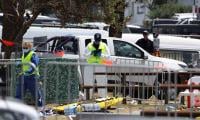
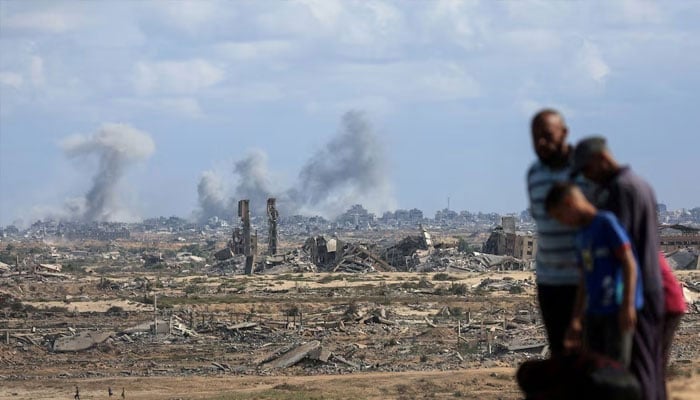
Hundreds of innocent civilians have been subjected to brutalities in Sudan, a crisis that only recently pierced global indifference. What is happening in Gaza is neither new nor surprising. Thousands have died. Bodies pile up daily, including those of children. Yet the response of Western powers to atrocities by Israeli forces has been lukewarm at best and complacent at worst. Why does this not violate their professed values and principles? The answer is simple: power.
The current US president once said that if Israel did not exist, it would have to be invented. What Israel does to Palestinians or others in the region ultimately does not matter. It can bomb with impunity and face little more than muted requests to ‘cool it’. Israel is too important an ally. It performs the dirty work that the US cannot be seen doing, whether striking Iran or securing regional interests. As long as military and political support continues to flow, accountability will not.
So the question remains: what of the universal charters and end-of-history theories propped up in the late 20th century? Are some people lesser than others? From a realist perspective, there is no equality in international relations, and there never has been.
Human nature is anarchic and history bears this out. Nation-states, charters and agreements merely limit anarchy, not erase it. Our civilisation has not reached its moral apex. It may sound bleak, but acknowledging the human condition is better than denying it. Equality, for the powerful, depends on interests. Ukraine matters because it aligns with the West. Israel is excused because it serves Western power.
Then what do we do if we find ourselves on the wrong side of the border of interests? In the short run, not much. Just ride the tide and pray you survive. The tragic state of the Palestinians should serve as an example. But not all is doom and gloom. Power is not gained overnight. Just less than two centuries ago, China was being bullied by the mighty British Empire and was not even recognised until the Iron Curtain fell. Today, it is a force that is directly competing with the mighty American empire. This is no small feat.
India, which has long been considered a poor third-world country, overtook their former colonial masters to become the fourth-largest economy in the world. This all goes to show that change is just as much a human condition as anarchy.
Gaining power requires planning, patience and persistence. All the great powers of the day followed the 3 Ps. It is only after a state has gained power that it can afford to demand equality. And that brings us to the age-old saying, ‘History is written by the victors’. Demanding fairness in the international arena is a luxury only the powerful can afford. No doubt this is a cruel statement, but in the words of Carl Sagan, “It is better to accept an uncomfortable truth than believe a comforting fable”.
The anarchy that exists everywhere is of our own making. Combatting it may take longer than we would like to believe. But all is not lost. To fix a problem, the first step is to recognise it. And once it is understood that all ‘actors’ function for individual gains, we can interpret and perhaps even understand their motives more clearly. Human history is filled with examples of state actors coming together to address the ever-changing issue of power imbalances in the world.
The League of Nations, the Treaty of Westphalia, the UN and many other endeavours are just a few examples of powerful actors coming together to address this power imbalance that pits states against one another. The dream of creating a universal utopia is yet to be achieved.
Mass and social media, while giving new tools to powerful state actors, have diluted public opinion. People are less likely to stay ignorant about state atrocities now. With so much documentation of human suffering on display every day, it has become harder for states to justify atrocities.
The pro-Palestine protests that have swept the globe have made it extremely difficult for even the US to continue backing its long-term ally. So maybe things are not that bad. I wonder whether new technologies will increase state control over the public narrative or loosen up control of ‘Big Brother’. Only time will tell.
The writer is a freelance contributor.