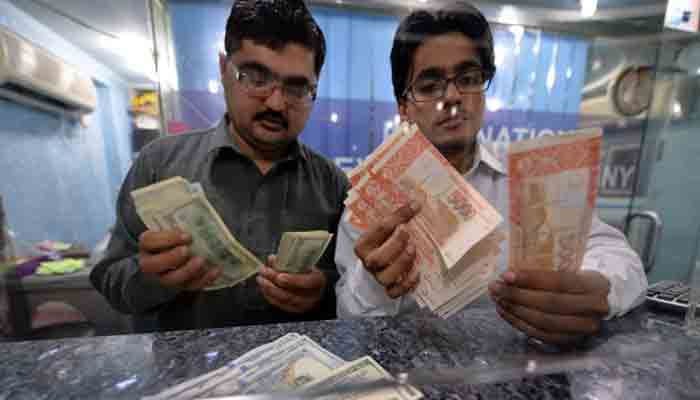
LAHORE: In 2025, Pakistan’s economy remained on a fragile recovery path with modest growth, stabilisation in key price indicators, and continued reliance on external support programmes. Real GDP growth for FY2025 was modest, around 2.6-2.7 per cent, below original targets but marking a slight improvement from the previous year. Inflation fell sharply compared to the high double-digits of recent years. Official figures reported inflation as low as around 4.6 per cent in mid-2025, with occasional month-to-month volatility later in the year (about 6.1 per cent in November 2025).
After holding policy rates for most of the year the SBP announced a slight reduction of 0.5 per cent in policy rate to 10.5 per centFor part of the fiscal year, Pakistan recorded a current account surplus, helped largely by strong remittance inflows. Pakistan received further IMF financing (about $1.2 billion) in December 2025 under its ongoing programme, acknowledging progress but urging continued reforms.
Stabilisation was the dominant narrative of 2025. Prices became less volatile, and macro indicators looked less erratic than in 2023-24, but growth remained below potential and the economy stayed vulnerable to shocks.
Performance in health in 2025 showed modest quantitative improvements, though structural challenges remained. Key indicators such as infant mortality declined slightly, and life expectancy ticked up modestly. Registered healthcare personnel increased (eg, doctors, nurses), and the number of primary care facilities and basic health units remained substantial. But health spending remained very low -- total health expenditure was less than 1.0 per cent of GDP. Chronic underinvestment in public health infrastructure and preventive services is taxing the health of poor.
In the Finance Division, the progress was incremental, not transformative. Health services remained underfunded relative to needs, and broader outcomes (maternal mortality, comprehensive coverage) still require sustained public investment.
Education saw some structural focus but constrained financing. Enrolment and access movements continued at various levels, including higher education expansion through scholarships and infrastructure improvements. Universities (public and private) increased, and technology initiatives (eg, digital campuses, LMS systems) aimed at improving access and quality.
Education spending remained below 1 percent of GDP, consistent with long-term underfunding. Overall literacy remained low at around 60 per cent, with particularly wide gender and rural-urban gaps.
Programmes like the Benazir Income Support Programme (BISP) and other social safety nets saw budget increases, reflecting priority on cushioning the most vulnerable. Despite government efforts, poverty reduction progress stagnated or slightly reversed, with external shocks and limited structural reforms keeping many households near or below poverty levels. World Bank analyses highlight this risk.
Total revenue grew significantly in FY2025 -- revenue collection climbed (around Rs13 trillion), with tax revenues rising too. Strong remittance inflows and better export performance supported public finances and the external sector.
The tax-to-GDP ratio remained low by regional standards, highlighting structural weaknesses in mobilizing domestic resources. Informal sectors, exemptions, and compliance gaps continued to weaken the revenue base, making sustainable public finance difficult without reforms. Reliance on external financing (IMF, friendly countries) persisted to bridge fiscal and external gaps.
Governance in fiscal policy, regulation and public service delivery -- showed mixed signals. Macroeconomic stabilization measures suggested better policy calibration. Digitalisation of tax administration and fiscal discipline under IMF oversight were noteworthy efforts.
Structural governance issues such as bureaucratic inefficiency, political economy hurdles, and weak enforcement of reforms continued to blunt the impact of reforms. There is a need for deeper institutional reforms to make stabilization durable.
2025 saw a significant reduction in headline inflation compared to previous years’ highs. Official reports placed consumer inflation in a low single digit range for significant stretches of the year. Some volatility reappeared later, but the overall trend was towards stability which is an important macro achievement.
2025 was a year of stabilisation and cautious recovery -- inflation came down, remittances bolstered the external account, and key reforms under the IMF and domestic plans (like Uraan Pakistan) began showing early results.