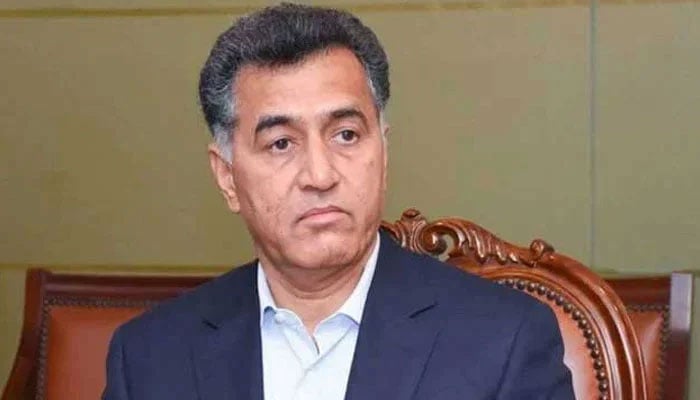
The sentencing of former ISI chief Lt-Gen (r) Faiz Hameed to 14 years of rigorous imprisonment can easily be declared an unprecedented moment in Pakistan’s otherwise troubled history of selective justice. According to the ISPR, a Field General Court Martial process was initiated against the former spy chief on August 12, 2024, under provisions of the Pakistan Army Act, culminating in a 15-month-long inquiry and trial. He was tried on four charges: engaging in political activities, violating the Official Secrets Act in ways “detrimental to the safety and interest of the state”, misuse of authority and state resources and causing wrongful loss to individuals. After what the military described as “lengthy and laborious legal proceedings”, Faiz has now been found guilty on all counts. His arrest had stemmed from a petition filed by the chief executive officer of a housing society in the Supreme Court, alleging land grabbing and the theft of valuables during a raid. These accusations opened the door to a broader set of long-rumoured concerns. For years, political observers, journalists and even former officials had publicly alleged that Faiz played a central role in some of the most destabilising episodes in recent memory.
Political leaders from the ruling alliance have hailed the decision as a necessary and long-overdue step towards a functional system of accountability. While their statements are welcome, they also raise questions about why such accountability has so rarely extended to the powerful in the past. We have witnessed military dictators, judges, bureaucrats and political elites escape consequences for far greater transgressions. In that context, the punishment of a man widely seen as one of the most influential officers of his time is indeed unprecedented. Yet the significance of this moment extends beyond the individual. The Faiz era will be remembered as one of the darkest in our recent history, marked by political engineering, polarisation and an economic downturn from which the country has not yet recovered. The court’s decision is, therefore, not only a reckoning with one man but an implicit acknowledgement of the damage wrought by unaccountable power operating in the shadows.
Still, major questions remain unanswered. The final line of the ISPR statement notes that Faiz’s “involvement … in fomenting vested political agitation and instability in cahoots with political elements and in certain other matters is separately being dealt with". This has led to speculation that it may be a reference to the May 9, 2023, attacks and potential ties with Imran Khan. Informed sources suggest that if the next phase of proceedings moves forward, it could spell serious consequences for the party’s top leadership. Whether that happens remains to be seen, but if there is concrete evidence of such involvement, it must be made public. Transparency is not optional. Legal experts have noted that because this was a military trial, the public has limited visibility into the process but let us remind all: fairness is indispensable to the legitimacy of any accountability mechanism. Political observers have also noted that, while the conduct of the proceedings remains opaque, the sentence nonetheless signals that the military is willing to hold one of its own accountable for overstepping legal and constitutional limits. This case, if followed by consistent action and greater transparency, could mark the beginning of a shift towards a more balanced system. But that promise will only materialise if this moment is treated not as a symbolic exception but as a standard to be upheld. True accountability must be across the board, transparent and fair. In the end, the question is not simply whether Faiz Hameed has been punished but whether Pakistan is finally prepared to confront the structural impunity that brought us to this point. And let’s not forget: this matter is far from over if last paragraphs are to be believed.