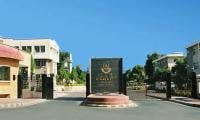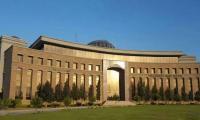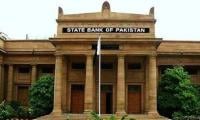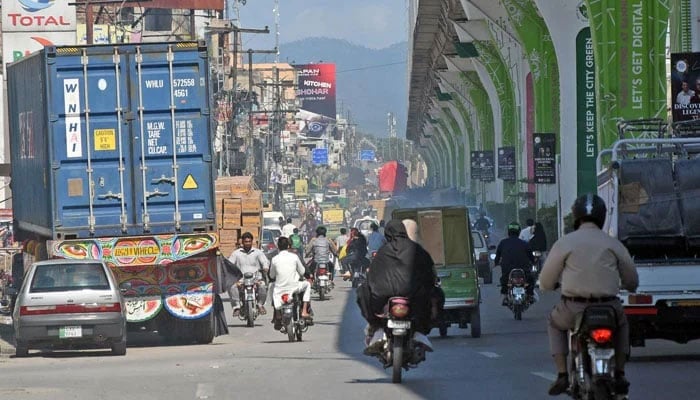
Today, Rawalpindi blends the ancient and the modern. It serves as a major cultural and economic hub in Pakistan, with a population of over two million people. Its vibrant markets, bustling streets, and rich cuisine make it an essential part of Pakistan’s cultural fabric.
“If you were to visit Rawalpindi, you’d find a city that’s a living testament to its historical legacy. The mix of ancient monuments, colonial-era buildings, and modern infrastructure tells the story of its past and present,” says Talaat Naqvi.
“Rawalpindi, often called the City of Sights, is one of the most historically rich and culturally significant cities in Pakistan. Rawalpindi has its own deep historical roots, dating back to ancient times. Exploring the glory of Rawalpindi means diving into layers of history, from its early origins to its role in different civilizations,” says Athar Zaidi.
“The area around Rawalpindi has been inhabited for thousands of years. Archaeological evidence suggests human presence in the region dating back to the Indus Valley Civilization (around 3000 BCE). There are remnants of ancient settlements and artifacts found in the region that reflect the cultural continuity of the area,” says Hasan Akhtar.
“Rawalpindi lies in proximity to the heart of the Gandhara Civilization, a significant ancient Buddhist culture that flourished between 1st century BCE and 5th century CE. Cities like Taxila, just 30 kilometers away, were once centers of learning and culture. Taxila University was one of the most renowned educational institutions of the ancient world,” says Safdar Hussain.
“Buddhist sites like Jaulian Monastery and the Dharmarajika Stupa give us a glimpse into the rich spiritual history of the region. The region witnessed influences from great empires such as the Persian Empire, Alexander the Great’s invasion, and, the Maurya Empire. Alexander the Great passed through this region during his campaigns in the 4th century BCE, leaving a mark on the local culture. The Seleucid Empire (Greek Kingdoms) also had a presence in the region,” says Nasreen Alvi.
“During the medieval period, Rawalpindi was a part of several dynasties, including the Ghurid Empire and the Delhi Sultanate, which expanded influence over much of the subcontinent. The area also saw incursions by the Mughal Empire, whose rule left a deep impact on architecture, culture, and urbanization in the region,” says Shagufta Hasan.
“Rawalpindi’s strategic location near the Kashmir and Northern India regions made it an important military and administrative center during the British Raj. It was developed as a garrison town, and by the time the British left in 1947, Rawalpindi had transformed into a major city, with British colonial architecture still evident in parts of the city,” says Faisal Shabbir.