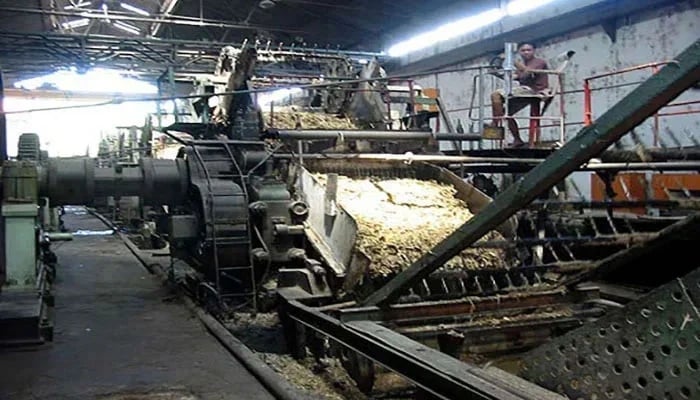
ISLAMABAD/KARACHI: The Competition Commission of Pakistan (CCP) has uncovered alleged evidence of cartelisation in the sugar sector and issued show cause notices to 10 mills in Punjab for jointly delaying the crushing season and fixing the sugarcane procurement price at Rs400 per maund.
This development is based on documented minutes, cross-verified intelligence and digital traces that indicate one of the clearest cases of coordinated manipulation in recent years. According to the show cause notice, representatives of the mills gathered on November 10. The minutes of this meeting, now part of the CCP’s evidence, show that the mills collectively decided to begin crushing on November 28 despite the official start date of 15 November notified by the Punjab Cane Commissioner. The same meeting also recorded the mills’ agreement to fix the sugarcane purchase price at Rs400 per maund, blocking competitive negotiations between mills and farmers.
The meeting was chaired by a resident director and was attended by several mills in person, while three others joined online. The CCP has observed that the coordinated decision to set a uniform price and alter the crushing schedule violates Section 4 of the Competition Act, which prohibits any agreement that fixes prices or restricts production.
The discovery comes at a time when Pakistan’s sugar market is already under pressure. Retail sugar prices in several urban centres have recently surged to between Rs185 and Rs200 per kilogramme due to lower production forecasts, erratic supplies and rising import costs. The country is facing an estimated production shortfall of more than half a million tonnes, and imported sugar has been arriving at nearly Rs135 to Rs145 per kilogramme, placing an additional burden on foreign reserves. Market analysts say that delaying crushing at the beginning of the season tightens supply when demand is at its peak, allowing mills to influence wholesale and retail prices with greater ease.
Farmers are among the biggest losers in this arrangement. The CCP notes that there is a significant imbalance in bargaining power between mill owners and growers. Instead of allowing each mill to negotiate prices independently based on demand and supply, all mills imposed a unilateral rate of Rs400 per 40 kg. Growers’ associations say that this price barely covers production costs in many districts and deprives farmers of any competitive advantage.
The CCP has directed the mills to submit written explanations within 14 days, detailing why action should not be taken against them for entering into prohibited agreements and gaining undue commercial advantage. Failure to justify their actions could result in substantial penalties.
Chairperson of CCP Dr Kabir Ahmed Sidhu has issued a warning to all industry groups, stating that no association or group of competitors will be allowed to form cartels or make joint commercial decisions that distort markets or harm consumers. He said the commission will take firm legal action against any enterprise caught engaging in anti-competitive conduct.
The latest findings add to the long history of controversies linked to Pakistan’s sugar industry, where repeated shortages, unexplained price spikes and allegations of collusion continue to burden both farmers and consumers. The case now stands as one of the most significant tests of enforcement for the CCP in recent years.