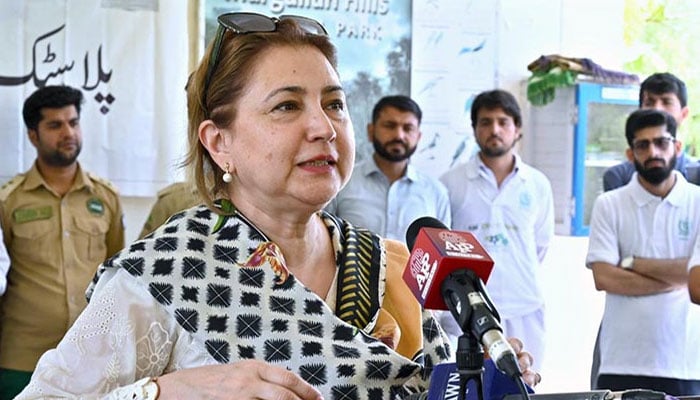
Islamabad: Recurring climate disasters are undermining nutrition, health, schooling and mental wellbeing, warned Secretary Climate Change Aisha Humera Moriani.
“Not only are climate disasters destroying infrastructure, but they are also robbing a generation of its right to safety and opportunity,” she told a high-level event titled “Operationalising Loss and Damage: Financing Resilience and Recovery in Vulnerable Countries” and organised jointly by the climate change ministry and Unicef at the Pakistan Pavilion on the sidelines of the UN climate summit (COP30).
The secretary said Pakistan was investing heavily in strengthening national climate resilience despite contributing less than one per cent to global greenhouse gas emissions. She recalled that the devastating floods of 2022 and 2025 displaced millions, destroyed large-scale infrastructure and caused multi-billion-dollar economic losses.
“The scale and frequency of such disasters in developing countries underscore the disproportionate climate burden placed on nations that played almost no role in heating the planet,” she said.
The secretary added that Pakistan was investing heavily in strengthening national climate resilience despite contributing less than one per cent to global greenhouse gas emissions. She reaffirmed Pakistan’s commitment to working with the UN, international partners and climate finance bodies to create a fair global framework for climate recovery.
“Climate justice demands immediate access. Our people cannot wait,” she said, urging international partners to translate political commitments into concrete financial support for the most vulnerable.
The secretary urged the international community to ensure rapid, grant-based and predictable financing for climate-vulnerable developing countries. She also warned that repeated extreme weather events were deepening debt distress and slowing development progress in nations least responsible for global emissions.