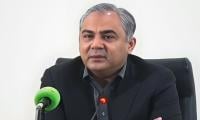
ISLAMABAD: The multibillion-dollar Reko Diq copper and gold mining project is expected to bring around $26 billion in benefits to Balochistan over its estimated 37-year lifespan, while the federal government is projected to earn $11 billion, and Pakistani companies $15 billion, the Managing Director of GHP, Masood Nabi informed the Senate Standing Committee on Petroleum Tuesday.
Nabi noted that these estimates are based on the current projected life of the project, but the operational lifespan of Reko Diq could be extended, potentially increasing the economic benefits further.
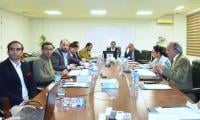
Briefing the Senate Standing Committee on Petroleum, officials said financing for the $7.7 billion project is nearing completion, with $2.5 billion already secured. About 20 per cent of the groundwork is done, and first-phase production is expected to begin by the end of 2028, secretary Petroleum Division informed the parliamentary panel.
The committee also expressed dismay when senior officials failed to provide basic gas production data for the Sui gas fields. Senators Quratulain Marri and Bilal Ahmed repeatedly asked for figures that even the DG Petroleum Concessions could not produce. The chair warned that withholding information may lead the committee to write to the president and prime minister over what members called a “breach of privilege.”
Officials said that the country produces up to 3.2 billion cubic feet of gas per day, with 55 per cent originating from Sindh, around 30 per cent from Khyber Pakhtunkhwa, and only 3-4 per cent from Punjab. Balochistan’s output stands at 400-500 mmcfd.
Senator Bilal Ahmed demanded that under Article 158 of the Constitution, which grants first right of use to the province where gas is produced, Balochistan’s own needs must be met before supplies are diverted elsewhere. The secretary petroleum acknowledged that Balochistan’s summer demand is around 90 mmcf per day and rises to 210 mmcfd in winter but added that 80 per cent of gas meters in the province are tampered, a revelation that shocked lawmakers.