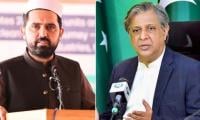
ISLAMABAD: Former Federal Board of Revenue (FBR) chairman Shabbar Zaidi has cautioned that Pakistan’s plan to privatise power distribution companies (Discos) will be extremely difficult to achieve under current conditions, particularly after the National Electric Power Regulatory Authority (Nepra) slashed K-Electric’s multi-year tariff (MYT) by Rs7.6 per unit.
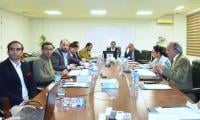
Speaking at a webinar hosted by the Policy Research Institute of Market Economy (PRIME) titled “Karachi’s Energy Security: Challenges & Opportunities,” Zaidi said the reduction in KE’s tariff from Rs39.97 to Rs32.37 per unit has created an adverse environment for investment. “This reduction will deter foreign direct investment in the power sector, as it limits the ability of utilities to recover costs and ensure financial stability,” Zaidi said. He added that in the prevailing circumstances, no Disco could be privatised for at least the next two years.
His remarks came as Nepra’s decision stirred concern across the power and industrial sectors. The revision, he noted, does not reduce consumer bills but weakens the financial viability of private utilities — a major disincentive for investors eyeing Pakistan’s energy market.
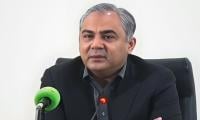
K-Electric CEO Moonis Alvi told the webinar that the regulator’s reversal of a decision taken after 2.5 years of deliberation had shifted the tariff from a “sustainable to an unsustainable” model. He said the move could cost the company Rs80-90 billion and delay key investments like the KKI Grid project, which require long-term repayment periods of nearly two decades.
Industrialist Haroon Shamsi warned that small and medium enterprises (SMEs) would bear the brunt of the decision, criticising the government for its lack of “ease of doing business” in Karachi. “Karachi has always been the philanthropist of the country, but the government continues to treat it as the child of a lesser god,” he said.
Engineer Zeeshan Ali of the Institution of Electrical and Electronics Engineers Pakistan (IEEEP), cautioned that KE’s grid modernisation could face setbacks, leading to more power outages, while industrialist Rehan Javed argued that Karachi’s lower capacity charges were effectively subsidising other regions.
The panelists also highlighted an additional Rs28 billion burden on KE consumers from fuel cost adjustment revisions, calling for greater policy alignment and investor confidence to secure Pakistan’s energy future.