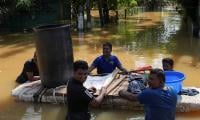
Islamabad Speakers emphasised the urgent need for Pakistan to transition from reactive disaster management to proactive climate adaptation strategies to strengthen food security.
They were addressing a seminar on “Resilient food systems in Pakistan” hosted here by Institute of Regional Studies (IRS).
Farrah Naz, Country Director, Global Alliance for Improved Nutrition (GAIN), highlighted South Asia’s alarming nutrition crisis pointing out that nearly half of women of reproductive age in the region suffer from anemia, one in four infants are born underweight and stunting rates continue to rise. She urged the adoption of nutrition-sensitive policies to address these systemic challenges.
Presenting data-driven insights, food expert Dr Zaffar Bukhari shed light on Pakistan’s fragmented value chains, food safety concerns, and limited dietary diversity. He underlined the importance of dashboards in guiding evidence-based policymaking for a more sustainable food system.
Dr Haroon Malik from Ministry of National Food Security & Research highlighted the struggles of Pakistan’s smallholder farmers, who make up nearly 90 percent of the agricultural sector. He shared that the government is providing Rs10,000 per farmer in support, expanding mechanisation and rental services and enhancing the Kissan Package 2022. In the aftermath of the 2025 floods, he revealed that the government is exploring canola oil imports to reduce reliance on palm oil and strengthen resilience.