HYDERABAD/ISLAMABAD: First Lady of Pakistan and Member of the National Assembly, Aseefa Bhutto Zardari, visited Shaheed Benazirabad on Wednesday to assess flood preparedness and relief arrangements as rising waters threaten parts of Sindh. She was accompanied by Sindh Health Minister Dr Azra Fazal Pechuho.
During her visit, Aseefa chaired a detailed briefing session attended by the commissioner, deputy commissioner, DIG, SSP, and senior officials from the Irrigation, Health, and Rescue 1122 departments. Authorities informed her that in the event of a super flood, nearly 80,000 residents across 95 villages in nine union councils of the district could be affected, while approximately 64,000 livestock also face risk.
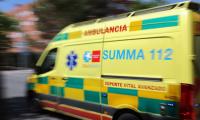
Officials identified Qazi Ahmed and Sakrand as the most vulnerable areas, with villages including Saeed Kando, Phullel, Khad, Gehram Mari, Bahawal Shah, Mehrabpur, Mari, and Moria Lakho expected to bear the brunt. To mitigate the threat, 59 relief camps and 11 medical camps have been established, while evacuation measures are already underway. Rescue teams have been equipped with life jackets, boats, fire brigades, ambulances, dewatering pumps and ventilators to respond swiftly to emergencies.
The First Lady personally reviewed the arrangements, commending the dedication of administrative authorities, police, health officials, and volunteers. She urged them to intensify relief operations and ensure timely assistance for every affected family. “This is not a time for political division but a moment for unity as one nation,” she stressed, adding that flood victims would not be left to face the crisis alone.
Highlighting the recurring nature of climate-related disasters, Aseefa noted that Pakistan is facing its third major flood in just five years. She expressed hope that lessons from past experiences would guide more effective responses this time. Stressing the urgency of preventive measures, she directed the administration to accelerate evacuation, safeguard livestock and provide medical care, clean water, and essential supplies to vulnerable communities.