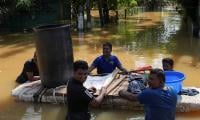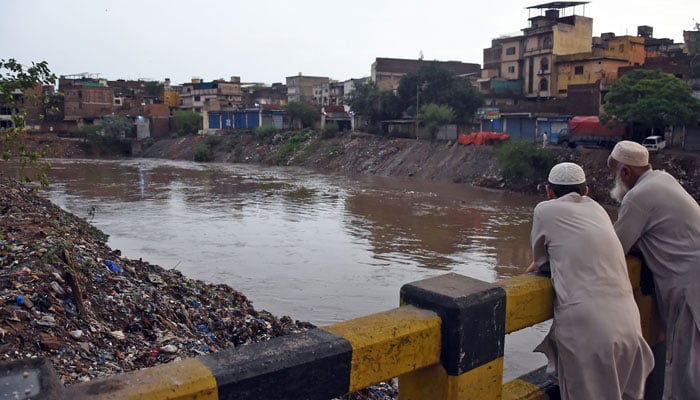
Rawalpindi: Heavy rainfall like the one in the night between Monday and Tuesday and water inundation inside homes and in streets in a number of localities particularly in thickly populated low-lying areas of town may wreak havoc in the lives of poor people.
The heavy rainfall causes contamination of water sources that increases the chances of spread of a number of infections while the collection of heavily contaminated water in streets and houses containing the waste water flooding out of Nullah Leh may cause infections including cholera, typhoid, dysentery, gastroenteritis, hepatitis A and E, shigellosis, a highly contagious infection causing diarrhoea often with blood and giardiasis, an intestinal infection causing stomach cramps, bloating, nausea and watery diarrhoea.
The contaminated water accumulated in streets and houses may carry Salmonella that cause illnesses such as typhoid fever, paratyphoid fever and food-borne illness. Shigella infection occurs through ingestion, faecal–oral contamination, and studies reveal that a very small number of bacterial cells, fewer than 100, can be enough to cause an infection. Shigella causes dysentery and destruction of the epithelial cells of the intestinal mucosa.
The contaminated water accumulated inside homes and in streets may cause cholera, an infection in the small intestine caused by bacterium vibrio cholerae. Its main symptoms are watery diarrhoea and vomiting that can lead to rapid dehydration and electrolyte imbalance, and death in some cases. The transmission of cholera occurs primarily by drinking water or eating food that has been contaminated by the faeces (waste product) of an infected person, including one with no apparent symptoms.
Health experts say that the highly contaminated water flooding out of Nullah Leh and smaller drains along with water accumulation in a number of streets and houses particularly in low-lying areas of town bring with it a number of mild to severe infections every year in rainy season and to avoid these, individuals will have to take extraordinary preventive measures along with keeping their living space clean.
Experts say that it is not the rainfall that can be termed as the culprit in the spread of serious infections, instead it is lack of awareness among the public that causes greater damage every year. In monsoon, only good hygienic conditions can safeguard one from infections mainly caused by contaminated water and foodstuff. Following good hygiene and cleanliness keeps one healthy.
The heavy rainfall and water accumulation as a result of it may contaminate water at sources and there may be chances of contamination of water at tube wells so individuals must boil water before drinking to avoid health hazards.
The rainfalls and water inundation not only cause water-borne infections but also increase the chances of incidences of vector-borne diseases including malaria and dengue fever and as well food-borne infections. To avoid these infections, individuals must take extraordinary preventive measures along with keeping their living space clean and the most important thing is to keep kitchens in ideal hygienic conditions.