ISLAMABAD/ PESHAWAR: The Pakistan Meteorological Department (PMD) has issued fresh Glacial Lake Outburst Flood (GLOF) alerts for Gilgit Baltistan and Khyber Pakhtunkhwa, warning of dangerous weather conditions that could trigger flash floods, landslides and further loss of life in the country’s mountainous north.
The back-to-back alerts, issued on Wednesday evening, have heightened fears across vulnerable regions already reeling from devastating floods that have claimed dozens of lives in recent weeks. In its latest advisory, the PMD cautioned that scattered rains, isolated heavy downpours and thunderstorms are expected in Gilgit Baltistan and Khyber Pakhtunkhwa in the coming days, significantly increasing the risk of GLOF events.
The met department specifically highlighted glaciated valleys of Gilgit Baltistan and areas of Khyber Pakhtunkhwa’s scenic Kumrat and Dir districts as high risk zones. It advised all disaster management agencies to remain on high alert and urged tourists and local communities to avoid traveling to vulnerable areas until the weather improves.
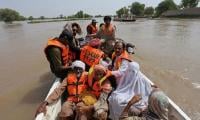
The warning comes on the heels of a series of tragedies caused by relentless monsoon rains. In Gilgit Baltistan’s Babusar Valley, sudden flash floods triggered by cloudbursts swept away tourists and vehicles last week, killing at least six people and leaving several others missing. In Chilas, Skardu and surrounding areas, more than 200 tourists were left stranded as landslides blocked major roads, including sections of the vital Karakoram Highway. Rescue operations by the Pakistan Army and civil authorities managed to evacuate many of those trapped, but search teams are still recovering bodies from remote valleys where access remains difficult. Officials fear the death toll could rise further as monsoon rains intensify. Since late June, over 260 people have lost their lives and more than 560 have been injured nationwide due to floods, landslides and other rain-related incidents, with Gilgit Baltistan and Khyber Pakhtunkhwa the hardest hit.
The PMD has reported that rainfall this July is already nearly 82 percent higher than the same period last year, dramatically increasing the vulnerability of glacial lakes perched high in Pakistan’s northern mountains. Climate scientists warn that rapid glacial melting combined with intense cloudbursts has swollen dozens of unstable glacial lakes, heightening the risk of catastrophic GLOF events.
Such incidents have become more frequent and severe in recent years, with experts pointing to the deadly 2022 floods that claimed over 1,700 lives as a reminder of Pakistan’s growing exposure to climate driven disasters. The Gilgit Baltistan Disaster Management Authority (GBDMA) and Provincial Disaster Management Authority (PDMA) in Khyber Pakhtunkhwa have put emergency response teams, including Rescue 1122, on high alert.
Authorities have appealed to tourists to heed official advisories and avoid travel to high altitude destinations like Fairy Meadows, Babusar Top, Kumrat and Dir until conditions stabilize. “The region remains extremely dangerous. Any unnecessary movement into flood prone valleys could put lives at risk,” a senior disaster management official said.
As part of the nationwide response, emergency protocols have been activated in all high risk districts and federal authorities have instructed disaster response agencies to remain fully mobilized. The PMD has emphasized that the next several days are critical, and further intense rains could cause fresh landslides, road blockages and flash floods in areas already devastated by the monsoon. Officials said strict vigilance and cooperation from the public are essential to preventing further tragedies as Pakistan grapples with another season of climate driven disasters.
Meanwhile, the Provincial Disaster Management Authority (PDMA) has asked tourists to strictly follow advisories in Chitral, Mansehra, Lower Dir, Upper Dir and other tourist hotspots due to flash flood and cloudburst threats.
A spokesperson of the PDMA said that tourist guides have also been advised to stop tourists from entering these high-risk areas. The authorities have warned of possible flash flooding and cloudbursts in hilly and riverine areas.
“The PDMA is monitoring the situation closely and has placed emergency response teams on high alert,” he added.