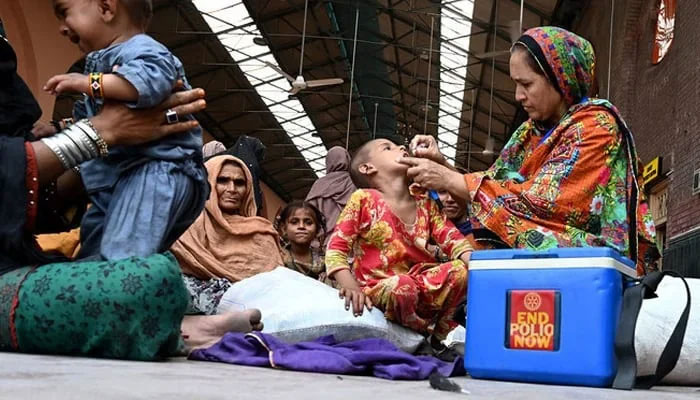
LAHORE:Punjab has successfully completed its first national immunisation drive of the year, marking a significant milestone in its efforts to interrupt the circulation of the polio virus.
The province achieved 99% coverage, immunising over 17.7 million children against the paralytic disease. The provincial capital led the campaign with over 1.62 million children vaccinated, followed by Faisalabad, where more than 1.1 million children received the vaccine.
The week-long campaign, which began on February 3, continued for seven days in major cities such as Lahore, Rawalpindi, and Faisalabad. In the rest of the districts, the drive lasted for five days and concluded on Friday. More than 200,000 workers, including frontline health workers, union council representatives, tehsil and district officials, participated in the massive immunisation effort.
In a demonstration of leadership, Punjab Chief Secretary Zahid Akhtar Zaman chaired a meeting of the Provincial Task Force on Polio, emphasising the use of digital platforms to enhance micro-planning for vaccination teams.
Secretary of the Primary and Secondary Healthcare Department Nadia Saqib briefed the chief secretary on the campaign’s targets. The meeting was attended by international polio eradication partners.
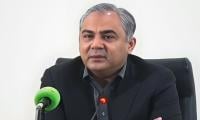
Head of the Polio Programme and Emergency Operations Centre (EOC) Coordinator Adeel Tasawar said that following the campaign’s conclusion, the process of data analysis has commenced.
He stated on Monday that district performance will be evaluated based on the collected data. In a directive to district health officials, the Punjab EOC Coordinator stressed the importance of submitting transparent and accurate data. He highlighted that information on children who missed vaccinations must accurately reflect the ground reality.
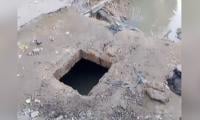
Tasawar warned that, as indicated by recent genomic sampling, Punjab remains at significant risk of polio virus importation from infected regions. Environmental samples and sequencing data suggest that both local and imported strains of the virus are present in the province’s sewage system.
While key performance indicators, such as household coverage and assurance sampling, have shown notable improvement, some areas have reported an increase in low-performing union councils (UCs), he noted.
Reaffirming the government’s commitment, Tasawar stated that the department remained focused on addressing these gaps to further strengthen Punjab’s polio eradication efforts.