World Sea Turtle Day, observed every year on 16th June, serves as a reminder that conservation is a shared responsibility...
wstd
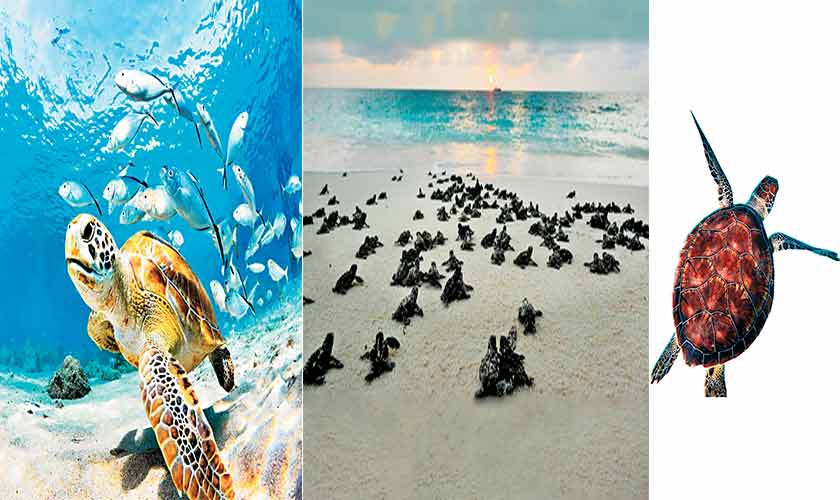
Sea turtles have long been a quiet yet important part of coastal life in Pakistan. Along the sandy shores of the Arabian Sea, especially near Karachi, they have been nesting for many years, returning again and again to the same beaches where they were born. Their long journeys across the oceans and their natural instinct to return to familiar sands demonstrate a remarkable cycle of life that continues despite increasing environmental challenges.
Pakistan is home to several species of sea turtles, including the green turtle and the olive ridley turtle. Among these, the green turtle is most commonly seen nesting along the coastline. Beaches such as Sandspit and Hawkesbay are particularly important nesting grounds. These areas provide the soft sand and relative warmth that turtles need to lay their eggs. Each nesting season, female turtles emerge from the sea, often at night, to dig nests and lay dozens of eggs before carefully covering them and returning to the water.
This natural process, however, is fragile. The survival rate of hatchlings is very low, even under ideal conditions. After emerging from their nests, the tiny turtles must make their way to the sea while avoiding predators such as birds and crabs. Human activity has added further challenges. Bright artificial lights can confuse hatchlings, causing them to move away from the sea instead of coming towards it. Pollution, particularly plastic waste, also poses a serious threat, as turtles may mistake it for food or become entangled in it.
In Pakistan, conservation efforts have been underway for many years to protect these vulnerable creatures. Organisations such as the Sindh Wildlife Department have played a key role in safeguarding nesting sites. At places like Sandspit, conservation teams monitor turtle activity, protect nests and sometimes relocate eggs to safer areas to increase their chances of survival. Hatchlings are often released into the sea under supervised conditions, giving them a better start in life.
These efforts highlight the importance of awareness and community involvement. Local residents, fishermen and volunteers have become increasingly engaged in protecting sea turtles. By understanding the value of these creatures, communities are more likely to support conservation measures. Fishermen, for instance, can help by using turtle-friendly fishing practices and by releasing any accidentally caught turtles back into the sea. Such small but meaningful actions can have a lasting impact.
The role of education cannot be overlooked. Schools and community programmes that teach children about marine life and environmental responsibility help build a culture of care. When young people learn about the long journeys of sea turtles and the challenges they face, they often develop a sense of responsibility towards protecting them. This awareness can lead to better habits, such as reducing plastic use and respecting natural habitats.
Environmental challenges along the coastline continue to affect sea turtles. Coastal development has altered many natural beaches, reducing the availability of suitable nesting areas. Construction, pollution and increased human presence can disturb turtles and discourage them from nesting. Climate change is another concern, as rising temperatures can affect the balance of male and female hatchlings, since the temperature of the sand influences this process. Changes in sea levels and weather patterns may also impact nesting sites in the future.
Despite these challenges, there is reason for cautious hope. The continued return of turtles to Pakistan’s beaches shows that conservation efforts are making a difference. Each nesting season brings new opportunities to protect and learn more about these creatures. The dedication of conservation workers, supported by the local communities and authorities, demonstrates that positive change is possible when there is commitment and cooperation.
Sea turtles also hold ecological importance. They contribute to the health of marine ecosystems in various ways. For example, green turtles feed on seagrass, helping to maintain healthy underwater habitats that support a wide range of marine life. Their presence is an indicator of a balanced ecosystem. Protecting sea turtles, therefore, is not only about saving a single species but also about preserving the broader marine environment.
There is also a cultural and symbolic value attached to this species. They are often seen as symbols of endurance, patience and longevity. In a country like Pakistan, where coastal communities have long depended on the sea, these creatures form part of the natural heritage. Recognising their importance can deepen the connection between people and the environment, encouraging more sustainable ways of living.
World Sea Turtle Day serves as a reminder that conservation is a shared responsibility. While organisations and authorities play a key role, individuals also have the power to contribute. Simple actions such as keeping beaches clean, avoiding littering and supporting conservation initiatives can collectively make a significant difference. Even spreading awareness among friends and family can help build a broader understanding of the issues.
Tourism, if managed responsibly, can also support conservation efforts. Visitors to coastal areas can be encouraged to respect wildlife and follow guidelines that protect nesting sites. Eco-friendly tourism practices provide economic benefits to the local communities while ensuring that natural habitats are preserved. Achieving this balance between development and conservation is essential for long-term sustainability.
The story of sea turtles in Pakistan is one of resilience in the face of change. These species have survived for millions of years, yet their future now depends greatly on human actions. By recognising the challenges they face and taking steps to address them, Pakistan can continue to protect its coastal biodiversity. The presence of sea turtles along its shores is a sign of natural richness that deserves careful stewardship.
As awareness grows and conservation efforts continue, there is hope that future generations will also witness the determined journey of sea turtles returning to the beaches of Pakistan. Their story encourages reflection on how human choices shape the natural world and how even small acts of care can contribute to preserving it.
The writer is a seasoned journalist and a communications professional. He can be reached at [email protected]