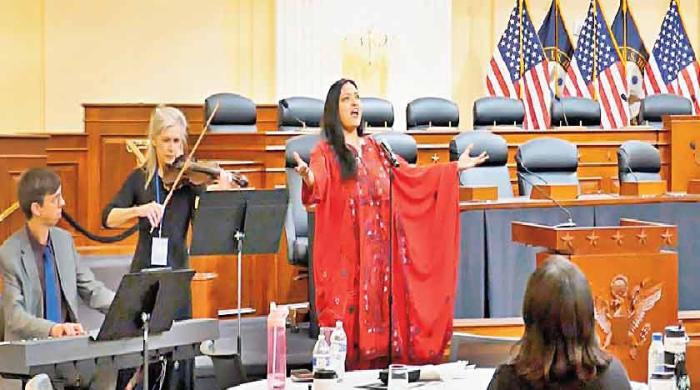
This week You! is in conversation with Dr Amna Jatoi, a healthcare leader. Read on…
woman @ work

In Pakistan’s evolving healthcare landscape, effective reform increasingly depends on professionals who can successfully bridge medicine, management and public policy. Dr Amna Jatoi, currently serving as Consultant for Healthcare Affairs for Pakistan Muslim League (N) Sindh, is a leading example of this new generation of healthcare leaders. With a professional background spanning clinical practice, hospital administration, academia and political health advocacy, she is helping move healthcare conversations beyond hospital corridors and into decision-making and policy forums.
Her work reflects a growing understanding that sustainable healthcare improvement requires informed leadership, strategic planning and collaboration between medical professionals and policymakers. Dr Jatoi’s multidisciplinary career positions her at the forefront of this shift, showing how expertise in multiple domains can drive meaningful reform across Pakistan’s health system. Her role demonstrates how informed healthcare professionals can enhance policy execution, improve community engagement and strengthen public trust in health systems.
In an exclusive interview with You! magazine, Dr Amna talks about her work in a bid to provide quality healthcare facilities to people of Sindh, especially women. Read on…
You! Tell us about your journey?
Dr Amna Jatoi: I began my professional journey with a Bachelor of Dental Surgery (BDS) from the Altamash Institute of Dental Medicine, where hands-on clinical exposure provided me with a strong foundation in patient care and frontline healthcare challenges. Working directly with patients allowed me to develop a deep appreciation for the realities faced by healthcare providers and communities, particularly in resource-constrained environments.
You! What motivated you to get into institutional management?
AJ: Early in my career, I realised that while clinical expertise is essential, long-term healthcare reform cannot be achieved through treatment alone. Sustainable progress requires strong systems, effective leadership, sound governance and informed decision-making. This insight prompted me to expand my skill set beyond clinical practice to gain a broader perspective on healthcare delivery and institutional management.
I pursued an MBA in Health and Hospital Management from the Institute of Business Management (IoBM), a top-ranked institution recognised by the Sindh Higher Education Commission. This transition equipped me with strategic, financial and administrative expertise essential for leadership at both institutional and policy levels, enabling me to approach healthcare challenges through a systematic and structured lens.
You! You served at Kharadar General Hospital. What changes did you bring during your tenure?
AJ: When I took charge of Kharadar General Hospital, one of Pakistan’s oldest healthcare institutions with a legacy spanning more than a century, as Deputy Manager (Administration), I noticed that substantial changes were required to uplift the hospital’s image. I tried my best to bring improvements in the functioning and smooth running of the hospital. I oversaw medical and dental outpatient departments, coordinated inpatient services and supported operational quality across medical and surgical wards. My role also involved operational oversight, coordination between clinical teams and initiatives to improve service delivery efficiency
You! Can you shed light on some of your other contributions in the field of healthcare?
AJ: I contributed to the planning and execution of health camps and community outreach programmes aimed at underserved populations, especially women. These experiences reinforced my commitment to healthcare accessibility, equity and quality - principles that continue to guide my work across sectors today.
You! What has been your most career-defining moment that you are proud of?
AJ: I would say my role as Consultant for Healthcare Affairs for Pakistan Muslim League (N) Sindh. In this role, I contribute to initiatives aimed at strengthening public health outreach and improving access to essential healthcare services across the province.
You! What are your current areas of focus?
AJ: My work includes child immunisation campaigns, public health awareness initiatives, free medical and dental camps across Sindh, mobilisation of volunteer healthcare professionals and coordination of essential medicines for marginalised communities, especially women.
By collaborating closely with political leadership, medical professionals and community stakeholders, I try to help translate public health priorities into on-ground action.
You! What are you working on these days?
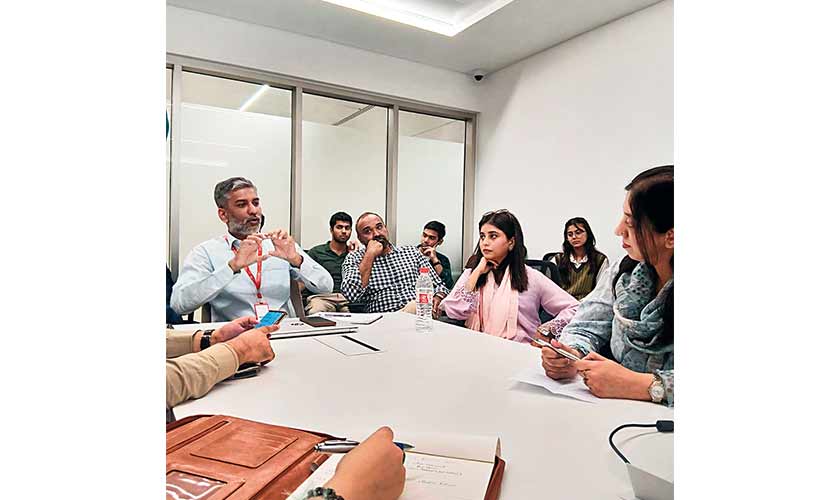
AJ: I am actively working on establishing a dedicated healthcare wing of the party in Sindh, bringing together doctors and paramedics from across the province. The primary objective of this initiative is to mobilise healthcare resources, expand access to services and promote preventive healthcare measures at the community level.
You! Tell us about your role in academia?
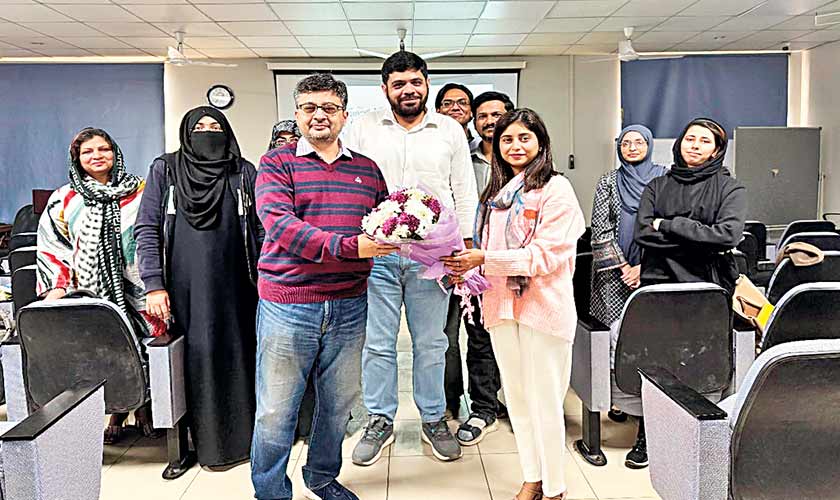
AJ: Alongside my policy responsibilities, I serve as a Faculty Member and MBA Program Coordinator at the Institute of Business and Health Management (IBHM), Dow University of Health Sciences. I teach Executive MBA students - many of whom are practicing healthcare professionals and supervises research in healthcare management, hospital operations and policy reform. By mentoring emerging professionals, I aim to shape a workforce capable of addressing Pakistan’s complex health challenges with expertise and innovation.
You! What are your future plans?
AJ: It is my commitment to developing future healthcare leaders who understand both clinical realities and systemic responsibilities - where leadership is no longer confined to clinics or hospitals but extends into classrooms, communities and policy platforms.
I want to highlight the importance of informed leadership in building a resilient, equitable and effective healthcare system in Pakistan, demonstrating that the future of healthcare depends on visionaries who can unite practice, policy and education.