Print Story
X




From Aryna Sabalenka to Coco Gauff, tennis stars are demanding a fairer future in a sport where prestige often outweighs player protection
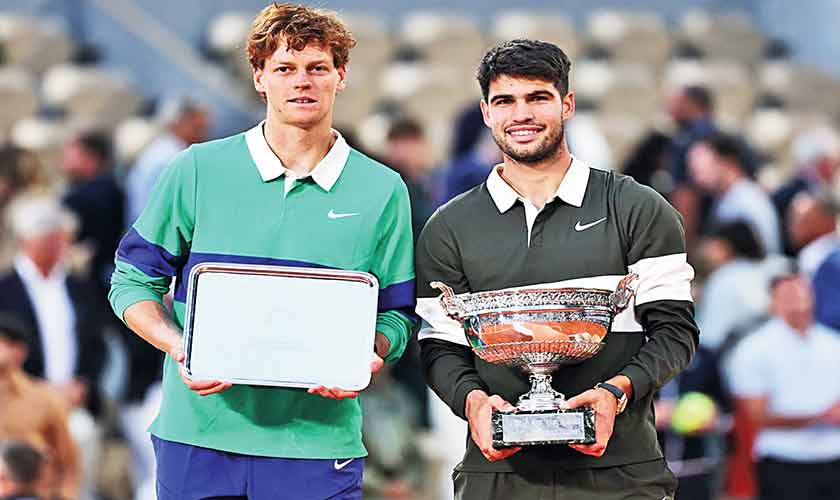
For years, tennis has marketed itself as one of the most glamorous and global sports in the world. Grand Slam tournaments generate hundreds of millions annually through broadcasting rights, sponsorships, ticket sales, merchandise, and digital partnerships. Yet, despite being the very reason these tournaments attract global audiences, players continue to receive a surprisingly small share of the revenue.
That frustration finally erupted publicly at the 2026 French Open. Leading stars including Aryna Sabalenka, Coco Gauff, Jannik Sinner, Daniil Medvedev, and several others staged a coordinated protest by limiting their press conferences to just 15 minutes, a symbolic gesture reflecting the approximate 15 percent revenue share players currently receive from Grand Slam tournaments. The message was simple, strategic, and impossible to ignore: without players, there is no product. The numbers make the frustration understandable.
According to reports surrounding Roland Garros 2026, the tournament is projected to generate more than €400 million in revenue. However, players argue that prize money distribution still falls below 15 percent of overall earnings, significantly lower than the approximately 22 percent revenue share seen at ATP and WTA 1000-level events.
At first glance, critics may dismiss this as millionaire athletes demanding even more wealth. But that argument oversimplifies a much deeper issue. This protest is not merely about the top-ranked stars earning bigger cheques. It is about the structural imbalance of professional tennis itself.
Unlike football, basketball, or cricket, tennis is an intensely individual sport. Players travel year-round, hire coaches, trainers, physiotherapists, nutritionists, and often pay enormous expenses simply to remain competitive. Outside the elite top tier, many players struggle financially despite competing at the highest professional level.
A first-round loss at a Grand Slam may seem lucrative to outsiders, but for lower-ranked players balancing global travel expenses across an entire season, the margins are far thinner than the public imagines. Coco Gauff rightly pointed toward this reality when discussing how many players effectively live “paycheck to paycheck” despite contributing to a billion-dollar global sport. This is where the French Open debate becomes bigger than Roland Garros itself.
The modern tennis economy has evolved dramatically. Grand Slams are no longer simply sporting tournaments; they are entertainment corporations. Their commercial growth has accelerated through media deals and global branding. Yet player compensation, according to many athletes, has not evolved proportionately.
Tournament organisers, of course, defend their position. The French Tennis Federation has argued that Grand Slam tournaments also invest heavily in infrastructure, development programs, operational costs, and grassroots tennis. Officials further claim that participation in these events offers players indirect commercial value through sponsorship exposure, global visibility, and endorsement opportunities. That argument is not entirely wrong.
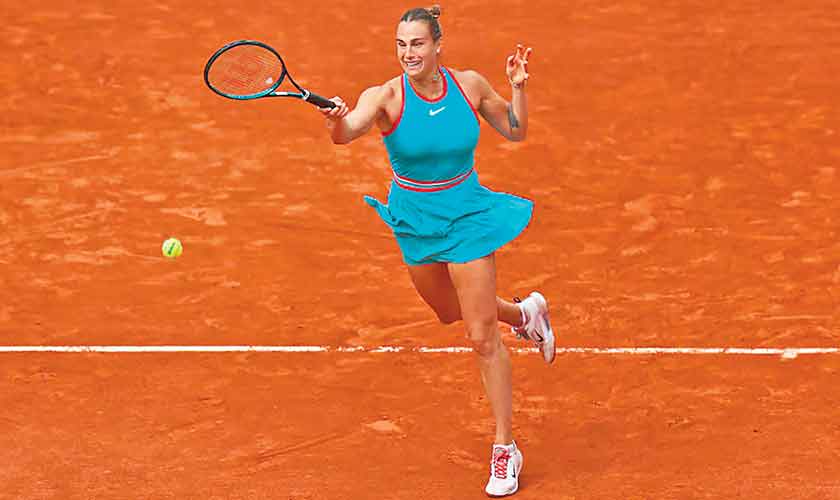
Prestige matters in tennis. Winning Roland Garros changes careers forever. The visibility attached to Grand Slam success creates endorsement opportunities that prize money alone cannot replicate. Emma Raducanu recently emphasised that Grand Slams are also about legacy, history, and prestige rather than money alone. But prestige cannot become an excuse for imbalance.
No sporting institution should continuously rely on tradition and history to silence legitimate financial concerns. The reality is that modern tennis players are no longer willing to quietly accept a system where the business expands faster than athlete compensation.
What makes this moment especially significant is the unity among players. Tennis has historically struggled with collective action. Unlike unionized team sports leagues, tennis players often operate independently, divided by rankings, nationalities, tours, and personal interests. Seeing elite stars collectively challenge Grand Slam organizers marks a major cultural shift within the sport.
Aryna Sabalenka even hinted at the possibility of a boycott if negotiations fail to progress. That alone reflects how serious the frustration has become. And perhaps the players have chosen the perfect moment to push back.
Professional tennis is entering a transitional era. The sport is gradually moving beyond the dominance of Roger Federer, Rafael Nadal, and Serena Williams. Grand Slams now desperately need new stars and compelling narratives to maintain commercial momentum. Players understand their value more than ever before. They know tournaments cannot continue generating massive global profits while expecting athletes to remain satisfied with symbolic increases in prize pools.
Importantly, this protest is not simply an attack on the French Open. It reflects a broader dissatisfaction with how Grand Slam tennis is governed. Beyond prize money, players are also demanding better representation, pension structures, healthcare support, and stronger communication with organizers.
In many ways, tennis is confronting a question that modern sports increasingly face: who truly owns the game? Is it the federations, the sponsors, and broadcasters? Or is it the athletes whose talent creates the spectacle in the first place?
The truth lies somewhere in between. Tournaments need financial sustainability. But players also deserve transparency, fairness, and respect proportional to the revenues they generate. The French Open prides itself on tradition. Yet history shows that every great sport eventually evolves when athletes begin demanding structural change. Tennis may now be entering that moment.
And perhaps that is why this year’s French Open already feels historic, not only because of what happens on the clay courts of Paris, but because players have finally decided they are no longer willing to remain silent.