Print Story
X




Sitara-e-Imtiaz honour highlights the sacrifices, discipline, and overlooked brilliance of Pakistan’s Paralympic athletes
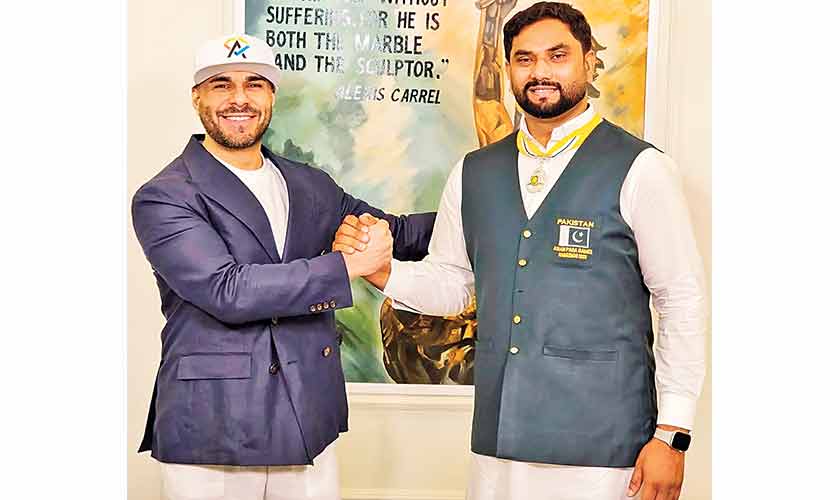
When Pakistan honours athletes with civilian awards, the recognition often goes beyond medals and statistics. It becomes a tribute to sacrifice, resilience, and years of unseen struggle. That is exactly why Paralympic star Haider Ali receiving the Sitara-e-Imtiaz feels so significant, not only for him personally, but for Pakistan’s entire sporting landscape.
For years, Haider Ali has carried Pakistan’s flag onto the world stage with pride, consistency, and determination. Yet like many para-athletes in the country, his achievements have not always received the level of national attention they truly deserved. His latest recognition therefore represents more than a prestigious civil award; it represents overdue acknowledgment of a remarkable sporting journey.
What makes Haider Ali’s story especially powerful is the humility with which he continues to speak about success. Instead of centering the spotlight entirely on himself, he dedicated the Sitara-e-Imtiaz to his parents, crediting their sacrifices, prayers, and unwavering encouragement for helping him overcome countless obstacles throughout his career. In a sporting culture often dominated by celebrity narratives, that sincerity stands out.
His words carried emotional weight because they reflected a reality many elite athletes understand deeply: behind every medal-winning performance are years of family support, emotional hardship, and personal sacrifice that rarely become visible to the public. Haider Ali’s journey has never simply been about competing. It has been about representing possibility.
In a country where para-sports still struggle for consistent infrastructure, investment, and media visibility, he became one of Pakistan’s most recognizable international athletes through sheer perseverance and world-class performances. Every medal he won carried symbolic importance because it challenged outdated perceptions surrounding disability and elite sport in Pakistan. That is why his recognition matters so deeply.
The Sitara-e-Imtiaz sends an important message that excellence in sport should not be measured only by mainstream popularity or commercial visibility. Pakistan’s para-athletes deserve equal celebration because their achievements often come despite far greater structural challenges.
Haider Ali’s gratitude toward the National Paralympic Committee of Pakistan and Pakistan WAPDA also highlighted another important truth about elite sport, champions are rarely built alone. Institutional backing, medical care, financial stability, and professional preparation remain essential for sustained international success.
His acknowledgment of the support provided by Rd. Rizwan Aftab Ahmed, CEO of ACTIVIT, and the medical and nutritional assistance he received reflects how modern sports performance now depends heavily on proper athlete management beyond training alone. Pakistan’s sporting system has often failed athletes in these areas, which makes sustained support structures even more valuable. Most importantly, however, Haider Ali’s ambition clearly remains unfinished.
Even after receiving one of Pakistan’s highest civilian honours, his focus has already shifted toward future international targets, including the Asian Para Games, the World Championship in Tashkent, and ultimately the Los Angeles Paralympics in 2028. That mindset explains why he remains one of Pakistan’s greatest sporting ambassadors. True champions rarely view recognition as the finish line. They treat it as motivation to continue pushing further.
For Pakistan, Haider Ali’s story should become more than a moment of celebration. It should become a reminder of the untapped potential within para-sports if athletes receive proper investment, facilities, coaching, and national attention. Pakistan has no shortage of talent. What it has often lacked is long-term commitment toward athletes outside mainstream cricket structures.
Haider Ali has spent years proving that Pakistani athletes can compete with the world’s best under any circumstances. Now the country must ensure future generations of para-athletes are given stronger systems to follow that path. His Sitara-e-Imtiaz is undoubtedly a personal achievement, but it also belongs to every overlooked athlete fighting quietly for recognition, respect, and opportunity. And perhaps that is what makes this honour truly meaningful.