Print Story
X




A case of systemic failure
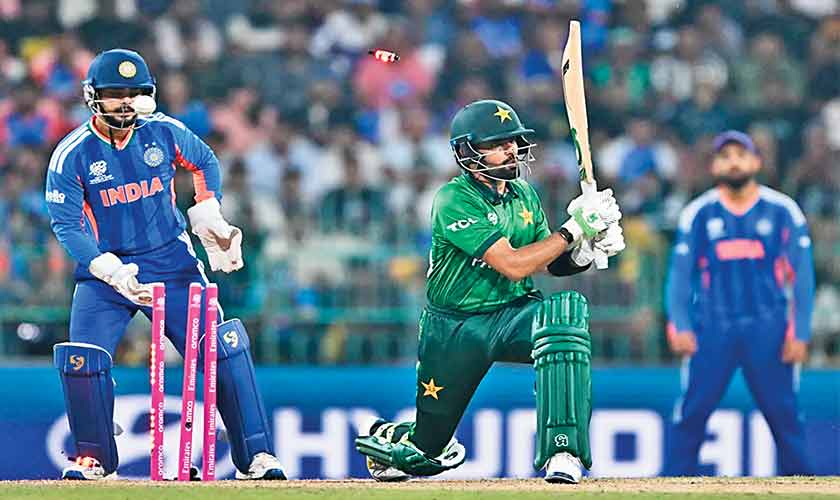
Pakistan cricket has once again found itself in the middle of a predictable quagmire, one that did not arrive overnight, nor did it take anyone by surprise. What happened on the field was merely the manifestation of a deeper rot, a slow deterioration fueled by flawed selections, misplaced loyalties, and sheer tactical incompetence.
Pakistan’s journey began in a group that was unusually soft. Namibia, the Netherlands, and the USA hardly presented a real challenge. There was only one truly formidable opponent: India. Even in the three matches we won, we barely scraped past the Netherlands.
After two wins, by the time the Pakistan-India clash came, the body language said everything; shoulders slumped, faces stressed, and an aura of defeat. It was as if the team had mentally lost the game long before stepping into the field.
No cricketing nation can progress when its selection process is guided by connections, recommendations and extra-cricketing pressures rather than merit. Despite the sincere intentions of Mohsin Naqvi, the current leadership erred gravely by appointing Aqib Javed as chief selector. Players were not handled as they should have been.
Players like Shadab Khan, Babar Azam, and Shaheen Shah Afridi-all big names but clearly out of form-found themselves automatically included as if past glory entitled them to lifetime selection. Cricket does not work like that. Reputation cannot replace performance and current form.
In contrast, rising talents such as Sameer Minhas-who spearheaded an Under-19 World Cup victory against India-were entirely overlooked, Promising fast bowlers like Ayub Afridi, quicker and more accurate than Shaheen in his current state and Hasnain were nowhere in consideration, so was Ali Raza. The refusal to invest in young blood has now come back to haunt Pakistan.
Nowhere was this selection blunder more evident than in the match against India, where Shaheen and Shadab combined to concede a shocking 48 runs in just 3 overs, averaging 16 runs per over in a low-scoring game where Pakistan had reached 114 while chasing. Even 30 to 40 runs less from India’s tally could have turned the match completely in spite of batting collapse.
Leadership is not bestowed after six international T20 matches as it was done in case of Salman Ali Agha; it evolves and earns respect. The current captain, was thrust into responsibility prematurely. He neither commands the dressing room nor understands situational tactics. His infamous Asia Cup blunder-using Haris Rauf on a turning wicket when spinners were dominating still echoes today. The sad part is that he has not learnt from past.
Sri Lankan pitches are slow, spin-friendly, and often damp due to rain. The team batting first traditionally enjoys an advantage. As the pitch deteriorates, its start turning and gives abrupt bounce later on. Yet Pakistan won the toss and inexplicably chose to bowl first, giving the opposition the upper hand instantly. All cricket pundits were left speechless by this decision at the outset of the game. I do not know if this was a brainchild of Mike Hesson, the useless Coach or the Captain but it was downright a stumble.
The rule is simple: you choose to chase only when your batting lineup is strong. Here, only the top four or five were proper specialist batsmen; the rest were hit-or-miss all-rounders. Babar Azam just returned from a league in Australia where he scored only 10/12 runs on average even on hard wickets; and now he is struggling even more on turning tracks., and against quality spinners.
Captain Salman Ali Agha took a gamble and bowled first over, himself. He even took Abhishek’s price wicket and gave away only 10 runs in 2 overs. Yet he did not trust himself enough to bowl again for the rest of the match.
Faheem Ashraf, known for breaking partnerships, was not given the ball at all.
With the spinners, the pattern was the same: remove the bowler who is bowling well to keep him for end. The captain had no control on the field and could not guide the team. And in the end, he brought back Shaheen Shah Afridi as a ritual who conceded 31 runs in two overs.
Cricket rewards courage. Yet Pakistan clung to reputations, not reality. Young, excellent players like Sameer Minhas, Abbas Afridi, Hasnain and Ali Raza were left behind while out-of-form seniors occupied crucial slots. This obsession with big names and “parchi” culture is digging Pakistan cricket deeper into mediocrity.
Pakistan barely escaped the group stage because the opposition was weak. But now comes the reckoning.
Sri Lanka are playing well, England are playing well, even West Indies are strong. How will we compete with them?
With Pakistan’s current strategy, selection politics, fragile captaincy, and lack of direction, how will this team compete against well-structured and intelligent sides? I Say it on authority that even playing eleven in every match is selected by the Coach Hesson in consultation with Aqib Jawed online. Salman Agha is just a silent spectator. He is too naive being very junior for responsibility trust upon him.
On these pages, I had earlier advised to recall Sarfaraz as caption for about 2 years and appoint a senior player like Nawaz or Shan as his deputy to be groomed and take over from him in 2 years. However, that advise was not considered.
If this defeat does not trigger accountability and basic changes in the structure, it will not be last humiliation of its kind. It must bring strategic and systematic reforms.
(The writer is former Convener, PCB Ad hoc Committee, Former first-class cricketer and former IG Police.)