Print Story
X

| F |
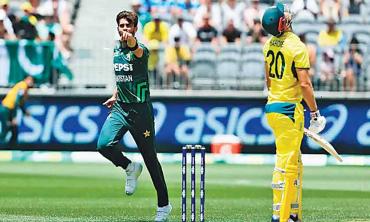
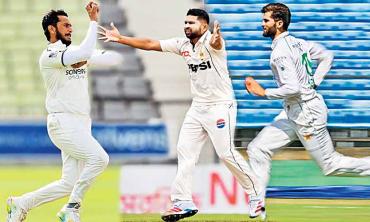
or decades, Pakistan’s sporting economy has revolved around nostalgia. Tape-ball cricket became memory, memory became money, and money remained locked within cricket. Stadiums, sponsorships, and public imagination continued to orbit a single game, while other sports struggled for oxygen. Yet beneath the surface, a generational shift was quietly unfolding. A new cohort of young Pakistanis, less sentimental and more experiential, began seeking sports that offered structure, identity, and genuine engagement rather than inherited tradition.
In Pakistan, investment, attention, and commercial value have long been concentrated around cricket. Business leaders and investors continue to pour millions into teams driven largely by personal nostalgia, many having grown up playing tape-ball cricket themselves. While cricket remains culturally dominant, it has failed to provide diverse sporting pathways for youth. Over the past two years, however, mixed martial arts (MMA) has begun to reshape the country’s sporting conversation. Though it does not yet occupy cricket’s commercial pedestal, MMA has emerged as one of Gen Z’s most favoured sports, offering something fundamentally different.
What the MMA community has achieved in Pakistan is unprecedented. It has made sport relatable. Unlike elite systems that demand early professional ambition, MMA, particularly at the grassroots level, offers an experience. It allows young people who do not aspire to become professional athletes to understand what it feels like to train with intent, face pressure, and test themselves within a controlled and disciplined environment.
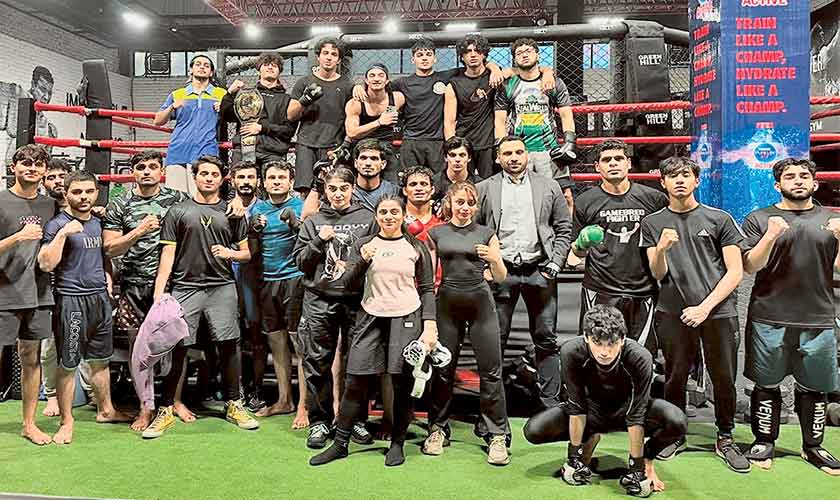
At the heart of this transformation lies the ‘Real World Fight League’ (RWFL). The league was never conceived as a grand national project. It began as a modest initiative by two young individuals who wanted to replace Pakistan’s informal and often dangerous phadda culture with something safer and more structured. What started as after-school sparring sessions gradually evolved into a formal platform through a partnership between Brave Gym and the Pakistan MMA Federation. With mentorship, resources, and institutional backing, the initiative was rebranded as the Real World Fight League and scaled to a national level.
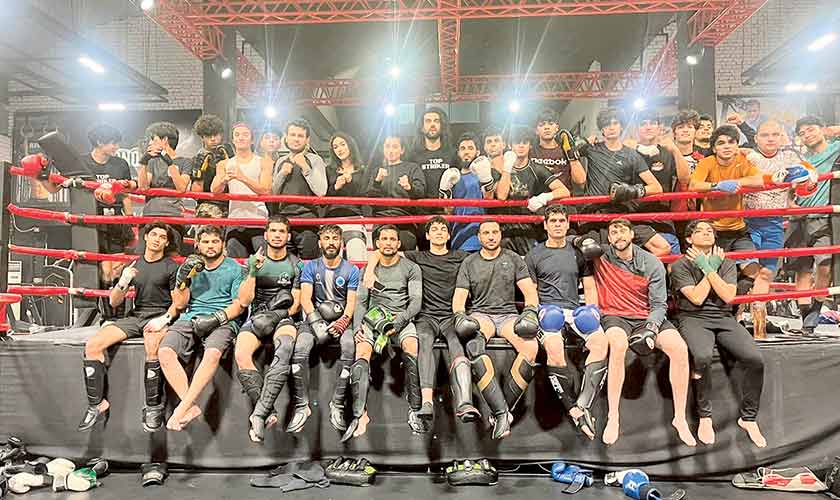
Designed specifically for school and university students, RWFL provides a safe, recreational entry point into MMA. Its purpose is not to create professional fighters but to introduce young people to discipline, accountability, and controlled adversity. Participants train rigorously, learn to manage fear and pressure, and confront the consequences of their choices, both inside and outside the ring.
Today, the league attracts students from some of Pakistan’s most prominent educational institutions, including Aitchison College, Beaconhouse, and Lahore Grammar School. Many participants come from highly privileged backgrounds, yet willingly submit themselves to demanding training programmes that challenge comfort zones and instil resilience. In an environment where entitlement often shields youth from hardship, RWFL offers an unusual but necessary counterbalance.
With events now held in five cities and more than 5,000 young adults involved as fighters, organisers, volunteers, and spectators, the league has done for combat sports what tape-ball cricket once did for cricket: it has become an entry point. For a generation raised on action films, anime, and digital storytelling, MMA feels familiar, aspirational, and authentic. RWFL bridges curiosity with reality, transforming spectators into participants.
Omar Ahmed, President of the Pakistan MMA Federation, describes Real World Fight League as a movement rather than a conventional sports league. He credits its success to the vision and leadership of co-founder Qaim Abbas, who, despite pursuing a medical degree at one of Europe’s leading universities, continues to compete and operate at the highest levels within the sport. This year, RWFL’s mentorship programme earned international recognition when it was nominated for the IMMAF Sustainability Awards in Georgia, underscoring its impact on youth development and long-term sporting growth.
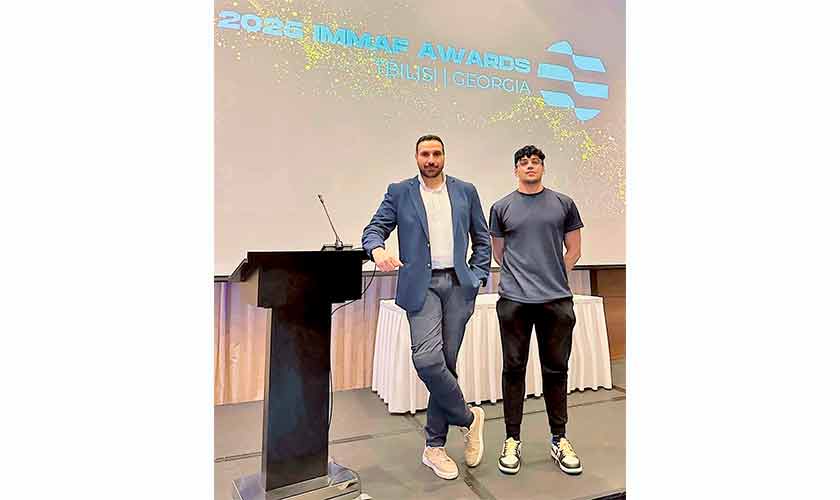
The success of the Real World Fight League offers a clear lesson for Pakistan’s broader sporting ecosystem. When sport is accessible, structured, and rooted in discipline, it fosters participation, resilience, and sustainability. MMA’s grassroots model demonstrates that meaningful engagement does not require nostalgia-driven investment but thoughtful systems that prioritise experience and character-building.
If supported through policy, funding, and institutional backing, initiatives like RWFL could help move Pakistani sport beyond its single-sport dependency. The future of sport in Pakistan may well lie not in memories of tape-ball cricket, but in platforms that empower young people to step into pressure, embrace discipline, and build a new sporting identity, one fight at a time.