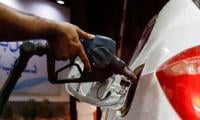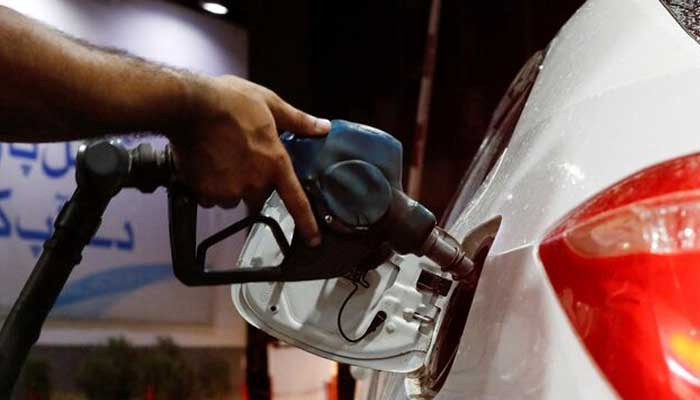
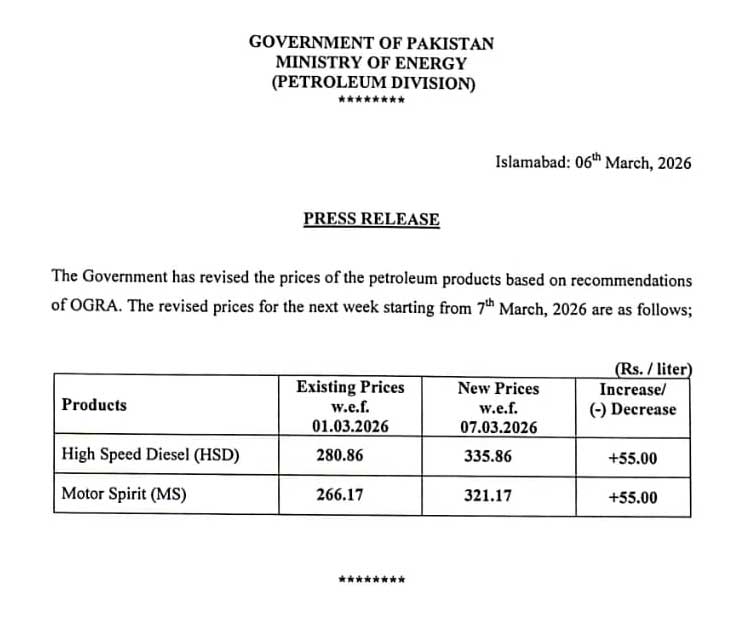
ISLAMABAD: Petrol and diesel prices in Pakistan have been increased by Rs55 per litre amid concerns that the Middle East crisis is driving up global fuel costs.
The announcement was made by Petroleum Minister Ali Pervaiz Malik in a press conference alongside DPM Ishar Dar and Finance Minister Muhammad Aurangzeb.
The new price of petrol will be Rs321.17 per litre from Rs266.17; whereas, the diesel rate will be Rs335.86 per litre from Rs280.86 after the review.
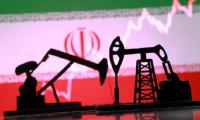
This marks the first weekly review of fuel prices since regional tensions threatened a major share of global energy flows following the closure of the Strait of Hormuz.
Previously, the federal government adjusted petroleum prices on a fortnightly basis.
The government has increased the petroleum development levy (PDL) on petrol from Rs84.40 to Rs105 per litre.
At the same time, the levy on high-speed diesel has been reduced from Rs76.21 to Rs55 per litre.
Addressing the presser, Malik said that the government had taken the decision after deliberating on the evolving international market situation.
"We will review these prices on a weekly basis," Malik said, adding that the government would reduce prices promptly once the situation improved.
"There is no doubt that we are going through extraordinary circumstances today," he said.
He said the government had been safeguarding petroleum reserves in recent weeks to ensure an uninterrupted supply across the country.
"Over the past few weeks, we have preserved petroleum reserves and maintained supply according to our available stocks," he said.
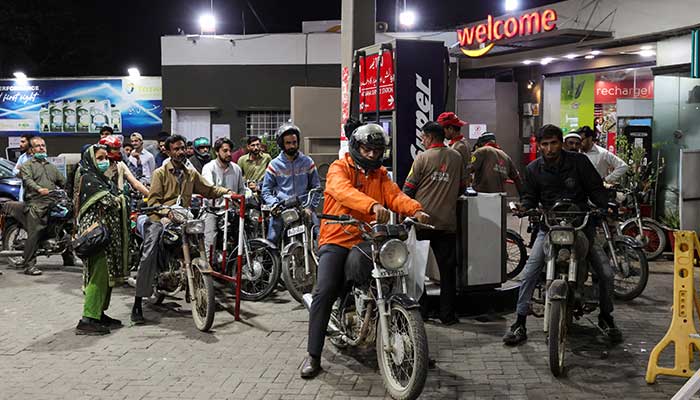
Malik said authorities would take strict action against those involved in hoarding fuel to make illegal profits. "Action will be taken against those who stopped selling petrol in order to make undue profits," he warned.
"Today, global prices of petrol and diesel have increased many times over," he said, adding: "We have taken the difficult decision to increase the prices of petroleum products."
Speaking on the occasion, DPM Dar said Prime Minister Shehbaz Sharif had chaired a meeting earlier in the day to review the prevailing situation and discuss possible responses.
"The prime minister himself chaired a meeting today in which the situation was reviewed," Dar said, adding that the premier was very concerned about the developments.
He said the government was assessing its options regarding possible adjustments in response to the evolving situation.
"We have to see how much increase is required," Dar said, adding that authorities were working to find a balanced solution.
It is noteworthy to mention here that Pakistan sought an alternative oil supply route through Saudi Arabia's Red Sea port of Yanbu after Iran announced the closure of the Strait of Hormuz, a development that threatens a major portion of global energy flows.
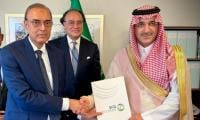
The request was made by Petroleum Minister Malik to the Saudi Ambassador to Pakistan, Nawaf bin Said Al-Malki, in a meeting held two days ago.
According to the minister, Saudi authorities have assured Pakistan that oil supplies can be facilitated through the port of Yanbu on the Red Sea to help meet the country’s energy needs.
"We have contacted the foreign ministers of other countries," he said, adding that Pakistan was making every effort to work with partners to ease tensions. Dar added that it remained unclear how long it would take for the situation to stabilise.
"We will have to see how long it takes to reduce these tensions," he said.
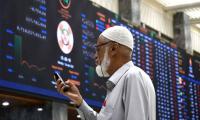
Finance Minister Aurangzeb said the government was assessing the potential impact of price increases on Pakistan's imports and exports while planning its response according to the evolving situation.
Speaking during a press conference, finance minister said authorities were closely examining the possible economic implications.
"We are also reviewing what impact the increase in prices will have on imports and exports," the finance minister said. He reassured the public that the country currently had sufficient reserves and urged people not to panic.
Aurangzeb said the government would formulate its strategy in line with the prevailing situation.
The finance minister also said PM Shehbaz had directed the government to consult with provincial leadership to ensure coordination.