KARACHI: A seven-year-old girl in Hyderabad has succumbed to dengue, raising Sindh's death toll to 39 this year, according to officials from the provincial health department.
The Sindh Health Department also confirmed that 173 new dengue cases were recorded across the province in the past 24 hours.
In an alarming situation, dengue cases are on the rise in Sindh, with Karachi being the most affected. A total of 1,984 tests were conducted in public and private laboratories during the past 24 hours.
Out of 173 new cases, 117 were reported in Karachi, and 56 individuals tested positive for the virus in Hyderabad.
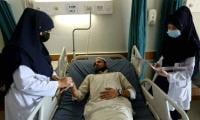
As many as 21 new dengue patients were admitted to government hospitals across the province, while 25 new patients were admitted to private hospitals.
With these admissions, the total number of hospitalised dengue patients in the province has reached 48.
The rising cases reflect a pattern seen in recent years, as Sindh reported a total of 2,704 dengue cases in 2024. and 2,880 in 2023. The numbers were even higher in 2022, with a record 23,274 cases reported across the province — the highest figure in recent years. By comparison, 2021 saw 6,739 cases, while 2020 recorded 4,318 cases.
Dengue is a viral illness spread to humans through the bite of an infected Aedes mosquito, primarily Aedes aegypti and Aedes albopictus, which are most active during the daytime, particularly in the early morning and late afternoon.
Symptoms typically appear four to ten days after an infected mosquito bite and may include high fever, severe headache, pain behind the eyes, muscle and joint pain, nausea, vomiting, skin rash, and mild bleeding such as nose or gum bleeding or easy bruising.
According to experts, the vector-borne disease could be prevented with preventive measures that include eliminating stagnant water to stop mosquitos' breeding. The experts also suggest to keep water containers tightly covered, use mosquito repellents and bed nets wear long-sleeved clothing, especially in the early morning and evening hours when mosquitoes are most active.