Budget FY2026-27 has once again raised serious concerns about the future and sustainability of higher education in Pakistan. Universities, which serve as the foundation for producing skilled human resources, advancing research and promoting innovation, are facing increasing financial pressures.
At a time when global competition is driven by knowledge, technology and research, adequate investment in higher education has become more important than ever.
Higher education is considered the backbone of national development because universities cultivate educated minds, develop professional skills, support economic growth, and provide solutions to social, economic and technological challenges. Universities are responsible not only for teaching students but also for promoting research, innovation, community development, industrial collaboration and knowledge-based solutions to national problems.
However, due to limited financial resources, many public-sector universities are struggling to sustain their academic, research and operational activities.
The budgetary allocations for higher education in FY2026-27 have created uncertainty among public sector universities. These institutions are expected to produce quality graduates, enhance research capacity, introduce innovative ideas and compete with leading universities worldwide. However, achieving these objectives requires strong financial support, which remains a major challenge for the sector.
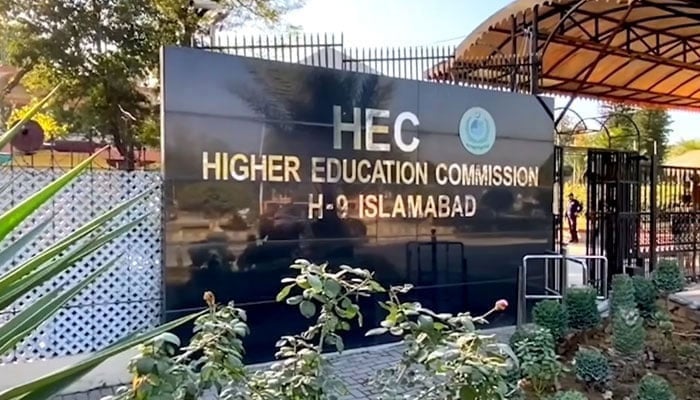
According to the budget, the education sector continues to face financial constraints. The Higher Education Commission (HEC) has been allocated a share under the Public Sector Development Programme (PSDP), with reports indicating that the development allocation is approximately Rs46 billion for FY2026-27. However, the recurring grant remains a major concern for public sector universities. These institutions require sufficient recurring funds to cover salaries, utilities, laboratory operations, research activities, maintenance and other essential academic operations.
Over the years, the financial needs of universities have increased significantly due to rising inflation, higher operational costs, increased utility bills, laboratory expenses, digital services, equipment requirements and staff-related expenditures. However, government funding has not increased in proportion to these growing demands. As a result, universities are facing difficulties in maintaining existing facilities and expanding academic and research infrastructure.
The impact of inflation further exacerbates the situation. The real value of budget allocations decreases when prices continue to rise. An amount allocated several years ago could support more activities compared to the same amount today. Therefore, maintaining allocations at the same level or increasing them slightly without accounting for inflation effectively reduces the purchasing power of institutions.
The PSDP plays an important role in strengthening higher education institutions when development projects are planned in line with actual institutional requirements. Universities require development funds to establish advanced laboratories, research centres, digital classrooms and modern academic facilities, and to improve infrastructure. However, the limited share of higher education in the development programme has restricted universities’ ability to undertake new projects and upgrade existing facilities.
Due to these financial limitations, many universities are finding it increasingly difficult to repair old buildings, maintain academic infrastructure, and construct new facilities to meet their growing needs. This situation directly affects the quality of education, research productivity and universities’ ability to meet international standards.
The key question is: how can universities improve quality and compete globally under such financial constraints? Modern universities require continuous investment in research laboratories, advanced equipment, technology and highly qualified human resources. Research and innovation cannot flourish without sustainable financial support. Countries that have successfully transformed their economies have invested heavily in their education systems, strengthened educational institutions and promoted knowledge- and innovation-based industries.
Pakistan’s higher education sector is currently facing a critical situation. Universities are facing rising operational costs, limited resources and growing expectations from students and society. To improve the quality of education, institutions require adequate funding for faculty development, teacher training, research activities, digital transformation, infrastructure maintenance and other essential expenditures.
The government needs to reconsider the current funding mechanism for higher education and develop a sustainable financial model that keeps pace with inflation and institutional needs. Higher education should not be viewed merely as an expenditure; rather, it should be considered a long-term investment in economic growth, innovation, employment generation and national development.
A strong education system ensures equal access to quality education and provides opportunities for individuals to contribute positively to society. A well-funded higher education sector helps create skilled professionals, generate employment opportunities, support industries, enhance technological development and improve Pakistan’s competitiveness in the global economy.
The post-budget discussion should focus not only on financial allocations but also on the long-term consequences of underinvesting in higher education. The funds allocated to universities today represent an investment in Pakistan’s future. Strengthening higher education institutions is essential for building a knowledge-based economy and ensuring sustainable national progress.
The writer is affiliated with PMAS-Arid Agriculture University, Rawalpindi and serves as an assistant registrar(planning). The views expressed are his own.