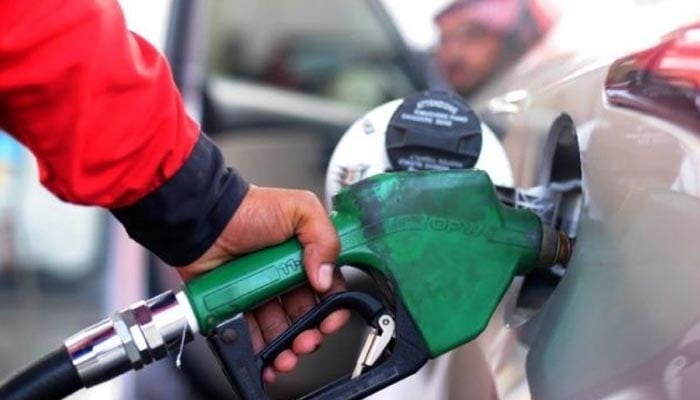
ISLAMABAD: A major dispute has emerged between Pakistan’s oil industry and the government over the latest reduction in petroleum product prices, with oil marketing companies (OMCs) and refineries alleging that the Oil and Gas Regulatory Authority (Ogra) used incorrect calculations resulting in what the industry claims was an excessive reduction of approximately Rs46 per litre on High-Speed Diesel (HSD) and Rs11 per litre on Motor Spirit (petrol).
According to calculations shared by industry stakeholders, Ogra did not fully account for actual premium costs and applicable Platts pricing averages during the most recent fortnightly price review. Sector estimates indicate that differences in the treatment of Platts averages, premiums and duty calculations resulted in an impact of around $26.28 per barrel for diesel and $6.29 per barrel for petrol, translating into approximately Rs46 per litre on diesel and Rs11 per litre on petrol.
Industry sources said the issue has triggered concern among both local and foreign investors operating in Pakistan’s downstream oil sector. More than a dozen chief executives of leading oil marketing companies and refineries met this week with Petroleum Minister Ali Pervaiz Malik and Secretary Petroleum Momin Agha to convey their reservations over what they described as frequent and inconsistent changes to the petroleum pricing mechanism. The industry delegation was led by Asif Iqbal, Chief Executive Officer of PARCO Gunvor Petroleum Limited and Chairman of the Oil Companies Advisory Council (OCAC), the representative body of Pakistan’s oil industry.
During the meeting, industry representatives argued that the government appears to apply one methodology when petroleum prices are increased and a different methodology when prices are reduced, creating significant distortions for companies that maintain inventories and ensure uninterrupted fuel supplies across the country.
According to participants, representatives of foreign companies that have recently invested in Pakistan’s oil marketing sector expressed serious concerns over repeated changes to the pricing framework. They warned that the lack of predictability is resulting in substantial financial losses and undermining investor confidence at a time when Pakistan is seeking greater foreign investment in its energy sector. “Inventory gain and loss are part of the sector, and every company understands those risks. What is not acceptable is changing the formula multiple times in a way that increases inventory losses for companies. The same formula should be applied whether prices are going up or coming down so that losses and gains are adjusted fairly over time,” industry representatives told government officials during the meeting.
The oil industry maintained that it is not seeking protection from market forces or international price movements. Instead, stakeholders said they are demanding a transparent, predictable and consistently applied pricing mechanism that treats all market participants equally and enables businesses to plan investments and manage inventories efficiently.
According to participants, the petroleum minister informed the delegation that Prime Minister Shehbaz Sharif has constituted a committee to review the existing petroleum pricing formula. The minister reportedly assured industry representatives that the government is working towards a more transparent and sustainable pricing mechanism, and that efforts are under way to ensure a uniform formula is applied in future price determinations.
Industry officials also highlighted that the financial consequences of the latest price adjustment are not limited to private-sector entities. They noted that state-owned refineries and oil marketing companies collectively account for nearly half of Pakistan’s petroleum market, meaning that financial losses suffered by these entities ultimately affect the national exchequer as well.
Stakeholders urged the government to expedite its review of the pricing mechanism, warning that continued uncertainty over pricing policies could undermine the long-term sustainability of the sector and discourage future investment, particularly from international companies that have recently entered Pakistan’s energy market.