DUBAI: The months of conflict that engulfed the Gulf region have delivered the greatest shock to the Gulf Cooperation Council (GCC) since Saddam Hussein’s occupation of Kuwait in 1990, leaving the six petro-monarchies grappling with eroded confidence, strained finances, and a deeply uncertain geopolitical future, foreign media reported.
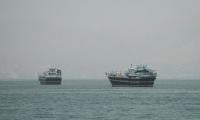
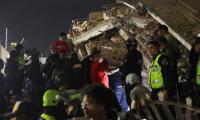
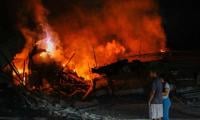
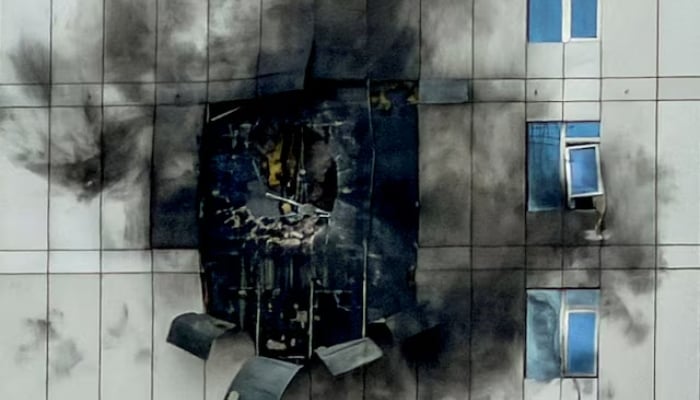
What began in January as casual talk among Dubai bankers about a potential property market correction and discussions at a Doha tech conference about artificial intelligence quickly gave way to a war that threatened to upend the region’s economic model. Thousands of Iranian missile and drone attacks caused tens of billions of dollars in damage across the Gulf, though casualties remained mercifully low. The Strait of Hormuz was shut for nearly four months, yet residents experienced no serious shortages in a conflict where imported oysters could still arrive through a blockade.
The economic stakes, however, are far higher today than in 1990. The GCC is no longer merely the world’s petrol station but an outsize player in finance, logistics and aviation, home to some of the largest sovereign wealth funds and airlines. Its combined economies are worth $2.3 trillion, accounting for more than two percent of global output. It serves as a sanctuary for millions of expats drawn by the promise of a safe and prosperous oasis in a turbulent region.
That model is now in doubt.
The war’s impact will be felt unevenly across the six member states, with the United Arab Emirates, Bahrain, Saudi Arabia, Qatar, Kuwait and Oman each facing distinct challenges. The coming months depend heavily on America’s talks with Iran. If President Donald Trump strikes a lasting deal, the shock may soon fade. If fighting resumes, officials fear the next round could be far more destructive. Few in the region expect the war to restart, but neither do they anticipate a durable peace, leaving Gulf states to cope with elevated risk for the foreseeable future.
The UAE, the most frequently targeted member with over 2,800 attacks, might seem to have suffered the greatest blow to confidence. Its close ties with Israel and hawkish stance appear to place it permanently atop Iran’s target list. Yet many expats in Dubai remain remarkably sanguine. Critics dismiss this as coerced optimism, noting the UAE arrested people for sharing news of Iranian strikes on WhatsApp. Traffic on motorways and crowded malls suggest many professionals stayed, though the city’s transient nature and lack of detailed population figures make it difficult to gauge exactly how many left.
Tourism, accounting for 12 percent of the UAE’s GDP, will serve as an early bellwether for broader confidence. Summer is typically quiet, but many firms expect a quick rebound once the heat eases. The recovery may be unbalanced, however. “The Russians and Indians are telling us they’re ready to come back almost immediately,” a marketing executive said. “The Brits? End of 2027.” Deep pockets help; Dubai’s break-even oil price before the war was just $50 a barrel, far below most neighbours, and it has rolled out 2.5 billion dirhams ($680 million) in wartime incentives.
Smaller Gulf states face a steeper climb, particularly Bahrain. The island kingdom entered the war with a 146 percent debt-to-GDP ratio, one of the world’s highest, and foreign reserves sufficient to cover less than two months of imports. Long-simmering tensions between the Sunni monarchy and Shia majority further complicate matters. Bahrain has exported almost no oil since March despite oil accounting for about 50 percent of government revenue. A $5 billion currency-swap line from the UAE in April and a $1 billion bond issue earlier this month provided relief, but the kingdom is now paying over 7 percent on its newest bonds, a full percentage point above its last pre-war issue. Meanwhile, some Bahrainis expressed sympathy for Iran during the conflict, even as the regime bombed their country.
Geography, it turns out, matters. Saudi Arabia’s size helped it weather the war better than most neighbours, with major cities largely spared and its airspace never closed. Some firms temporarily shifted staff from Dubai to Riyadh, and a large internal market compensated for the drop in foreign travellers. The kingdom has scaled back some of its most ambitious projects, particularly the futuristic city of Neom, and is repositioning itself as a logistics hub with a modern port linking Gulf states to the Red Sea. It also plans to market data centres on its west coast, 1,500 kilometres from Iran compared to just 200 kilometres for other Gulf countries. But ports and data centres will not attract the wealthy expats Neom was designed for, nor provide many jobs for Saudis.
Qatar and Kuwait face different problems. Qatar spent hundreds of billions on infrastructure for the 2022 football World Cup, leaving it with a glut of homes and hotels. Kuwait, by contrast, has been unable to build much of anything due to decades of political paralysis. Both economies are set to shrink by double digits this year and may not return to pre-war GDP until 2028.
Oman, the region’s iconoclast, enraged neighbours by showing sympathy for Iran and entertaining the idea of working with the Islamic Republic to charge tolls in the Strait of Hormuz. That may have shielded it from heavy attacks but carries its own risks. In Washington, Republicans have talked about imposing sanctions on Oman, and President Trump has mused about bombing it.
The GCC has always functioned better as a travel and trade zone than a political bloc. The war exposed this lack of unity and may heighten it. America has long urged Gulf states to integrate their air defences, but a lack of trust hindered that. The need to husband scarce interceptors led to a beggar-thy-neighbour mentality.
Diplomatically, there is no common GCC position on Iran. Qatar played a key role in negotiating the initial deal between America and Iran signed on June 17, and all six Gulf countries urged President Trump to take the deal, fearing the alternative was more war. In private, however, many officials lament it as a terrible agreement. Saudi Arabia has joined Turkey, Egypt and Pakistan to try to influence what happens next, but acknowledges this coalition is ad hoc and weak. The UAE has largely stayed out of diplomatic efforts, viewing Iran as an irreconcilable foe and focusing instead on building deterrence.
Gulf states have lost faith in America, viewing it as too erratic to trust as a security guarantor yet too large to replace. Everyone will search for new middle-power allies, with China potentially expanding its regional diplomatic role. Relations with Israel will likely depend on its autumn election; well-connected Saudis say the kingdom remains open to normalising ties, but only if a new Israeli government offers an alternative to endless war. For decades, Gulf rulers offered their subjects a bargain: stay out of politics and we will keep you safe and prosperous. Oil and the promise of American protection are no longer enough to underwrite that contract. The war may not have torn it up, but it has frayed it like never before.