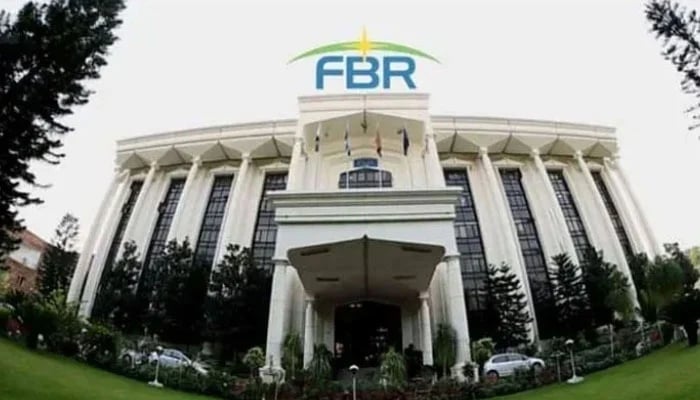
ISLAMABAD: The Federal Board of Revenue (FBR) has devised a strategy for achieving an ambitious tax collection target of Rs15,264 billion for the fiscal year 2026-27 through Artificial Intelligence (AI) based enforcement and compliance improvements.
Despite providing tax relief to different sectors of the economy, including the salaried class, exporters and real estate sector, while abolishing and rationalising the super tax and introducing a fixed tax scheme for retailers, the FBR will operate a digital Algorithmic Settlement Mechanism for the settlement of tax proceedings. The FBR will scrutinise General Sales Tax (GST) on a monthly basis, so the overall collection is expected to increase in the next financial year, FBR Chairman Rashid Mahmood Langrial said when contacted for comments about the strategy for achieving the tax collection target for the next fiscal year here on Thursday.
He further said that macroeconomic variables, including GDP growth with a special focus on Large Scale Manufacturing (LSM) trajectory and CPI-based inflation, would play a critical role in achieving the desired tax collection target in the next fiscal year.
The government had apprised the International Monetary Fund (IMF) and parliamentarians that the total of 26 revenue measures, including enforcement, compliance, policies and a hike in tax rates, would yield an additional Rs1,020 billion in the next fiscal year 2026-27.
The FBR has revised downward its collection target for the outgoing fiscal year to Rs12,983 billion by the end of June 2026. Initially, the government had fixed the annual target of the FBR at Rs14,130 billion with the approval of Parliament, which was revised downward to Rs13,979 billion. However, later on, this target was further slashed to Rs12,983 billion. The government had fixed a target of Rs12,961 billion with the IMF for the outgoing fiscal year ending on June 30, 2026. In the wake of this shortfall in the outgoing fiscal year, when this scribe contacted the FBR chairman and inquired about the strategy for achieving next fiscal year’s target, he was of the view that it happened under the IMF programme that the tax burden was reduced for certain sectors, demonstrating the ability of the government and the FBR to achieve Rs15,264 billion through effective enforcement and compliance. The transformation plan, he said, would help the FBR utilise an AI-based algorithmic mechanism to maximise both Income Tax and Sales Tax in the next fiscal year. Now the prerequisite digital infrastructure is in place, which will be utilised to maximise revenues, he added. Under this algorithmic settlement mechanism, the FBR will set up a digital system to offer settlements in tax cases before any final order is passed. If the system gives a settlement offer to a taxpayer based on set criteria, the taxpayer can choose to accept it. The offer will be worked out by looking at things like how far along the case is, the taxpayer’s past record with the FBR, the type of issue involved, and any other factor the Board thinks is important. A taxpayer who wants to accept the offer must do so within 10 days through the IRIS system and pay the amount asked. Once that amount is paid, the issue raised in the notice or audit report is closed. However, this settlement only covers the specific issue mentioned. It does not stop the FBR from taking action on other issues or for any other tax period.