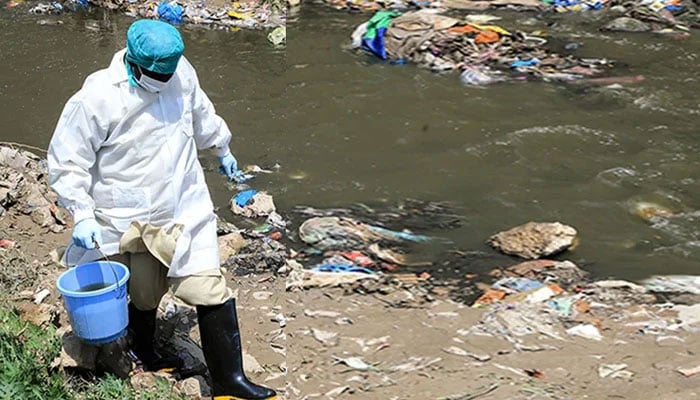
Poliovirus circulation appears to be declining in Sindh where only one of 29 environmental samples collected in June tested positive for the virus. Nationwide environmental surveillance also showed a sharp drop in positive detections to nine samples in May, according to the health authorities.
The Sindh Emergency Operations Centre (EOC) said 29 sewage samples were collected from various districts of the province during June. Of these, 21 samples tested negative for wild poliovirus, and only one sample from Karachi East was found positive. The results of seven samples are still awaited.
The latest findings suggest an improvement in the virus situation in the province where several districts had reported persistent poliovirus circulation in recent months. Health officials described the trend as encouraging but cautioned that the presence of even a single positive sample indicated that transmission had not yet been interrupted.
Month-wise environmental surveillance data show that Pakistan recorded 24 positive samples in January 2026, followed by 15 in February and 12 in March. The number of positive samples increased to 30 in April before falling sharply to nine in May, indicating a declining trend in virus circulation across the country.
According to officials at the National Emergency Operations Centre (NEOC), the nine positive samples detected in May included two each from Bannu and Karachi and one each from Dera Bugti, Peshawar, Chaman, Kashmore and Qambar. The geographical spread of the virus showed that transmission continued across traditional reservoirs and several high-risk districts despite the overall decline in environmental positivity.
A comparison with 2025 data indicates a significant reduction in virus circulation. Environmental surveillance last year had detected more than 70 positive samples in January and February, while monthly detections remained above 40 throughout most of the year. Sindh had accounted for the largest share of positive samples in 2025, followed by Punjab and Khyber Pakhtunkhwa.
Pakistan has so far reported three cases of wild poliovirus in 2026, including two from Khyber Pakhtunkhwa and one from Sindh. In contrast, the country reported 31 cases in 2025, when a resurgence in transmission reversed gains achieved in previous years.
The Sindh EOC has announced that the next anti-polio campaign in all seven districts of Karachi will be conducted from July 6 to 12. Parents have been urged to cooperate with vaccination teams and ensure that every child under five years of age receives polio drops.
Health authorities have warned that the peak transmission season for poliovirus has begun and increasing population movement during the summer months could facilitate the spread of the virus to vulnerable areas.
They have stressed the importance of countering misinformation and urged the people to rely on authentic sources for information regarding vaccination.
According to the Sindh EOC, two nationwide anti-polio campaigns and one special fractional inactivated polio vaccine booster campaign have already been conducted this year with high coverage. Additional vaccination activities were also being carried out ahead of the high transmission season to strengthen immunity among children.
Officials said the reduction in environmental positivity reflected the efforts of frontline workers, communities and government partners, but maintained that continued virus detections underscored the need for sustained vaccination campaigns and high-quality surveillance to achieve the goal of polio eradication.