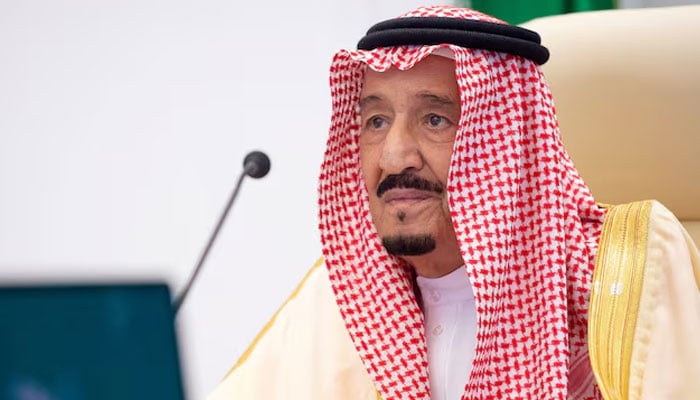
JEDDAH: The Saudi Council of Ministers approved on Tuesday the Executive Regulation of the Law of Real Estate Ownership by Non-Saudis. The Cabinet session, chaired by Custodian of the Two Holy Mosques King Salman, in Jeddah also endorsed the geographic areas designated for non-Saudi property ownership.
Earlier, in January this year, the law regulating non-Saudis’ ownership of real estate has entered into force, after completing the necessary procedures following its publication in the official gazette in July 2025.
The landmark law permits non-Saudis, whether individuals or companies, to own all types of real estate, including residential, commercial, agricultural, and industrial properties, provided that approval is obtained from the competent authorities and in accordance with rules spelled out in the Executive Regulation approved by the Cabinet on Tuesday.The law grants foreign companies operating in the Kingdom the right to own real estate necessary for their activities, such as offices, factories, and warehouses, provided they hold an official license.In a statement to the Saudi Press Agency following the session, Minister of Media Salman Al-Dossary said that the Cabinet also reaffirmed Saudi Arabia’s firm and steadfast stances in support of efforts to establish the pillars of security and stability in the region and the world, and its contribution to responding to humanitarian calls and extending assistance to those in need and the affected around the world.
Al-Dossary said that the Cabinet reviewed the development paths in the Kingdom and the objectives achieved in the recent period at the national level, alongside the attainment of advanced positions in international indicators and rankings. It also reviewed the continued achievements and successes of Saudi Vision 2030’s strategies and programs across all fields. The Cabinet commended Saudi Arabia’s progress in the IMD World Competitiveness Yearbook 2026, reaching 13th place globally and third among G20 countries, in addition to advancing across all main pillars and ranking in the top ten in 74 sub-indicators, reflecting the effectiveness of the Saudi model in competitiveness-related fields.
The Cabinet also commended the achievements of the Health Sector Transformation Programme indeveloping a more integrated and efficient healthcare ecosystem centered on improving the well-being of individuals.
The programme has contributed to expanding access to healthcare services, enhancing their quality, strengthening comprehensive medical care across all levels, increasing the number of healthy cities, and advancing preventive healthcare initiatives while encouraging communities to adopt sustainable and healthy lifestyles.