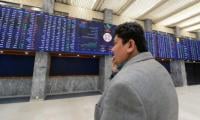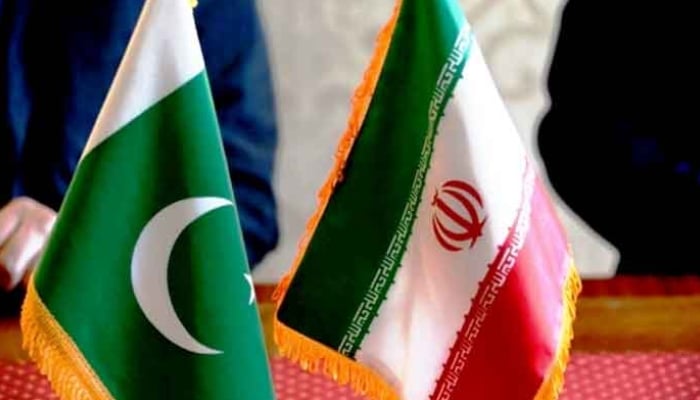
Pakistan is looking to turn its role in helping ease tensions between the US and Iran into economic gains, with officials saying on Tuesday that improved regional stability could open the door to formal energy trade with Tehran, stronger investor confidence and new trade and investment opportunities, says a report on Arab News.
The report is reproduced thus: Pakistan emerged as a key facilitator in efforts to reduce tensions between Washington and Tehran since the beginning of the war in Iran, hosting early high-level contacts between the two sides and helping support negotiations that led to the signing of the Islamabad Memorandum of Understanding last week.
Iranian President Masoud Pezeshkian visited Islamabad on Tuesday, where both sides pledged to deepen cooperation and build on recent diplomatic momentum at a time when Pakistan is seeking to expand regional trade, attract foreign capital and sustain an economic recovery.
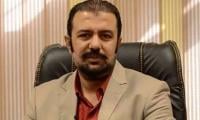
“Economic stability, policy continuity and diplomatic credibility together can improve investor confidence, strengthen economic partnerships and create new opportunities for trade and investment”, Finance Adviser Khurram Schehzad told Arab News in response to questions.
“A growth-oriented economic agenda, coupled with a reputation as a force for peace and stability, places Pakistan in a uniquely favorable position to attract investment into its people, infrastructure, technology and future growth sectors,” he added.
The comments came as officials in Islamabad began assessing what economic opportunities could emerge from a lasting thaw between Washington and Tehran after months of regional tensions.
Officials say one of the most immediate potential benefits for Pakistan could be the formalisation of trade with neighbouring Iran, particularly in the energy sector.“We can do the energy trade with Iran. Earlier it was informal, now it can be formal,” a senior finance ministry official told Arab News on condition of anonymity because he was not authorized to speak publicly on the matter.
Pakistan and Iran share a more than 900-kilometer border, across which fuel and other goods have long moved through informal channels.Although official trade between the two countries remains limited due to sanctions on Tehran, Pakistani officials say significant volumes of unofficial commerce already take place, particularly in petroleum products.
Last week, Pakistan’s Investment Minister Qaiser Ahmed Sheikh and Iranian Ambassador Reza Amiri Moghadam reaffirmed their commitment to raising bilateral trade to $10 billion through greater economic engagement and the development of special economic zones along the border, according to a government statement.
“That trade, exchange and investment will be much better in this region,” the finance ministry official said, adding that the benefits of a peace agreement would extend beyond Pakistan-Iran ties.
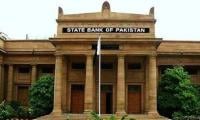
The official also argued that improving regional stability could make the wider region more attractive to international investors, including those from the United States.The US is Pakistan’s largest trading partner. Bilateral trade reached $8.38 billion in fiscal year 2025, according to central bank data, while trade in the first 11 months of the current fiscal year totaled $8.58 billion, driven largely by textile exports.
Another senior information ministry official said Pakistan could benefit economically if regional tensions continue to ease and sanctions on Iran are gradually relaxed.“Pakistan being a neighboring country, Pakistan being a trusted partner, will obviously reap its economic benefits,” the official said, speaking on condition of anonymity.
Asked whether Pakistan could eventually import crude oil from Iran, the official said it was too early to make definitive assessments but did not rule out greater energy cooperation.“At this point in time, nothing can be confirmed. But obviously trade will increase and it will increase for different commodities,” he said.
The official said reconstruction efforts in Iran could eventually create additional opportunities for commercial cooperation, though discussions remained at an early stage.Pakistan’s parliament approved the government’s fiscal year 2026-27 budget on Tuesday as authorities seek to accelerate growth, attract investment and strengthen external accounts following a period of economic stabilization under an IMF-backed reform program.
Schehzad said Pakistan’s diplomatic role had reinforced its image as a reliable partner at a time when investors were increasingly looking for stability.“A nation that delivers stability at home and helps advance stability abroad becomes a more credible destination for investment,” he added.