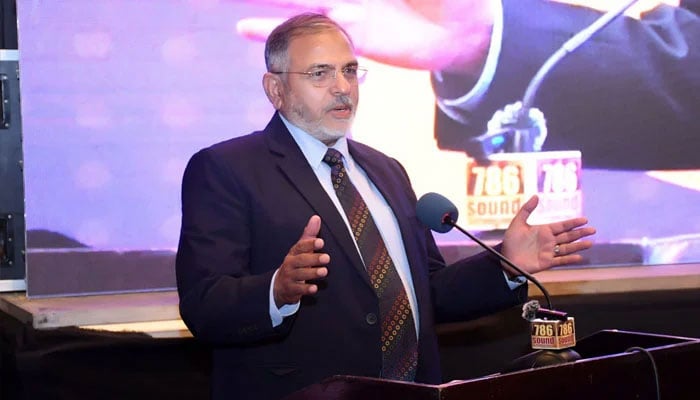
LAHORE: The Pakistan International Business Forum (PIBF) has welcomed the peace agreement between Iran and the US and praised the constructive role played by Pakistan and other facilitators in bringing the two sides to the negotiating table.
The agreement is expected to reduce regional tensions, reopen key trade routes and pave the way for the gradual easing of sanctions on Iran, creating significant economic opportunities for neighbouring countries, including Pakistan.
In a joint statement, PIBF President Dr Mushtaq Mangat and Secretary General Ejaz Tanveer said the diplomatic breakthrough underscored the importance of dialogue in resolving international disputes and reflected positively on Pakistan’s growing role as a responsible stakeholder in regional peace and stability. They noted that Pakistan had been widely recognised as one of the key facilitators of the negotiations that led to the ceasefire and peace framework announced over the weekend.
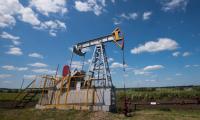
Dr Mangat said the restoration of peace in the region and the expected easing of restrictions on Iranian oil exports could contribute to greater stability in global energy markets and provide Pakistan with an opportunity to secure affordable energy supplies.
He urged the government to engage with Iranian authorities to explore long-term arrangements for importing crude oil, petroleum products and natural gas at competitive rates, enabling the benefits to be passed on to consumers and, most importantly, to Pakistan’s industrial sector.
“High energy costs remain one of the biggest challenges facing Pakistani industry. If sanctions-related barriers are reduced and bilateral energy cooperation becomes feasible, Pakistan must move swiftly to negotiate favourable terms for importing Iranian oil and gas. Affordable energy can significantly improve industrial competitiveness, increase exports and support economic growth,” he said.
Tanveer said the changing geopolitical environment provided a timely opportunity to revive the long-delayed Iran-Pakistan Gas Pipeline project, which has remained stalled largely because of international sanctions and related uncertainties.
He said the project could play a critical role in addressing Pakistan’s long-term energy security needs and reducing dependence on costly imported fuels.“The government should actively pursue diplomatic and commercial efforts to revive the Iran–Pakistan Gas Pipeline and transform it into a symbol of regional economic cooperation. Reliable and affordable gas supplies are essential for sustaining industrial production and supporting future economic expansion,” he said.
The PIBF leadership also called for renewed efforts to operationalise and expand regional connectivity initiatives, particularly the Islamabad-Tehran-Istanbul (ITI) Cargo Train, which they said could serve as an important trade corridor linking Pakistan with Iran, Turkiye, Central Asia and Europe.
They noted that enhanced rail connectivity would reduce transportation costs, shorten delivery times and open new export markets for Pakistani products.The PIBF leaders urged the government to formulate a comprehensive economic engagement strategy with Iran covering energy cooperation, bilateral trade, banking channels, logistics, transportation, tourism and industrial collaboration. They stressed that the private sector should be actively involved in shaping the strategy to ensure emerging opportunities translate into tangible economic benefits.