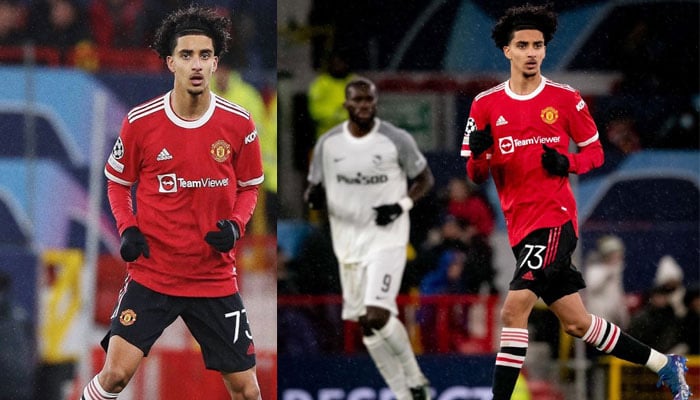
LAHORE: Former Manchester United midfielder, a Pakistani-origin footballer has qualified for 2026 World Cup with Iraq, creating historic moment for the country and football fans worldwide.
A historic and momentous report has emerged from the world of football—one that fills Pakistani fans with pride and celebration. Zidane Iqbal, the former Manchester United midfielder, is set to become the first footballer of Pakistani origin to play in a FIFA World Cup.
Iqbal, born in Manchester to a Pakistani father from Sahiwal and an Iraqi mother, has chosen to represent Iraq at the international level. With Iraq having officially qualified for the FIFA World Cup 2026, the stage is now set for Iqbal to showcase his talent on the biggest stage in global football.
Although he will don the Iraqi jersey, his achievement resonates deeply with football enthusiasts across Pakistan, marking a unforgettable and historic moment for the Pakistani diaspora worldwide. Zidane Iqbal’s journey to the World Cup has been nothing short of remarkable. Coming through the ranks of the prestigious Manchester United academy, he made history in 2021 when he became the first British South Asian to play for the club’s first team. His debut for the Red Devils was a watershed moment, breaking barriers and inspiring countless young footballers from similar backgrounds.
Now, just a few years later, Iqbal has achieved something even more significant: qualification for the FIFA World Cup. Iraq’s successful qualifying campaign has opened the door for the 23-year-old midfielder to test himself against the world’s best players on football’s most prestigious platform.
While Iqbal represents Iraq internationally, his connection to Pakistan remains deeply personal. His father hails from Sahiwal, a city in Punjab, and Iqbal has often spoken about the influence of his Pakistani heritage on his identity and career.
For Pakistani football fans—who have long watched the World Cup from the sidelines, never having seen their own nation qualify—Iqbal’s presence in the tournament offers a profound sense of connection. He may not wear green, but his roots trace back to the soil of Sahiwal. And for millions of Pakistanis, that is more than enough to claim him as their own.