LAHORE: The numbers are simple. Pakistan lead 1-0. A victory on Tuesday (today) at the Gaddafi Stadium will seal the three-match ODI series against Australia with a game to spare. But beneath that straightforward arithmetic lies a contest layered with subplots: a debutant who turned into a destroyer, an Australian side stripped of its superstars, and a Lahore pitch that has become Pakistan’s modern-day fortress.
Having secured a convincing five-wicket win in the Rawalpindi opener, the hosts are now eager to replicate that all-round performance in front of their home supporters. The visitors, meanwhile, find themselves in a familiar predicament—chasing a series they have not won in Pakistan since 1998, and chasing it with a squad that resembles a transition more than a conquest.
The first ODI on May 30 belonged to a 21-year-old who had never worn the green shirt in international cricket before that morning. Arafat Minhas, a left-arm spinner from Punjab, walked onto the Rawalpindi pitch as a debutant and walked off it as a record-breaker. His figures: 10 overs, 1 maiden, 5 wickets for 32 runs. The first Pakistan bowler ever to claim a five-wicket haul on ODI debut.
Australia, asked to bat first, never recovered. Matt Renshaw top-scored with a gritty 61, and Matthew Short contributed 55, but the innings kept stalling at exactly the wrong moments. Middle-order wickets fell in clusters. Partnerships that promised stability dissolved into singles and silence. The tourists were bowled out for 200—a total that always felt at least 70 runs short of competitive.
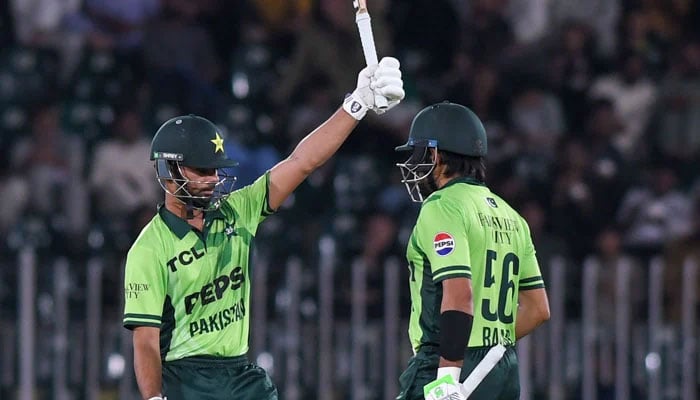
The chase was calmer than the target suggested. Babar Azam, inevitable as the Lahore sun, anchored the innings with 69 off 94 balls. Alongside wicketkeeper-batter Ghazi Ghori, who impressed with a composed 65, Babar constructed a 127-run stand that drained any remaining hope from the Australian attack. Pakistan cruised home with 45 balls to spare, losing five wickets but never losing control.
Nathan Ellis was the pick of the Australian bowlers with 2 for 45, but his was a lone voice in a chorus that could not find rhythm. To understand Australia’s predicament, one must look at the names not on the team sheet. Pat Cummins. Travis Head. Mitchell Starc. Josh Hazlewood. All absent, all committed to IPL 2026 (preferring money over national duty) commitments that clashed with this tour. The man originally appointed captain, Mitchell Marsh, was then ruled out with an ankle injury. Josh Inglis stepped into the leadership role, and with it came a brief that prioritizes the future as much as the present.
That makes the batting collapse in Rawalpindi a genuine worry. Renshaw and Short gave Australia starts, but the middle order—Marnus Labuschagne and Cameron Green both out for ducks—folded under spin pressure. Inglis can change games from the top, and his aggressive batting against spin will be critical in Lahore. But Australia need more than cameos. They need substance. They need partnerships that survive the middle overs.
History offers little comfort. Australia have not won an ODI series on Pakistani soil since 1998. Their last two meetings in the format have gone Pakistan’s way. And now, with a makeshift squad and a 1-0 deficit, the visitors must produce something special simply to keep the series alive. The venue shifts from Rawalpindi to Lahore, and that change is not neutral. Gaddafi Stadium has become Pakistan’s fortress in the 50-over format. The hosts have won their last five ODIs at this ground. Babar Azam alone has accumulated 357 runs in six matches here, a statistic that should make any opposition captain lose sleep.
Lahore’s pitch traditionally offers true bounce and good pace, allowing batters to play through the line once they settle. First innings scores around 280-320 have become the norm. Fast bowlers find some movement with the new ball, but spinners grow into the game as the middle overs unfold. The evening dew adds another variable: captains winning the toss are expected to bowl first, given the difficulty of defending under slippery conditions.