ISLAMABAD: Pakistan’s crude oil refineries told the country’s top energy regulator on Wednesday that a flood of smuggled diesel was crippling their operations and threatening billions of dollars in planned upgrades, as industry figures disclosed the government was losing nearly half a billion rupees a day to the illicit trade.
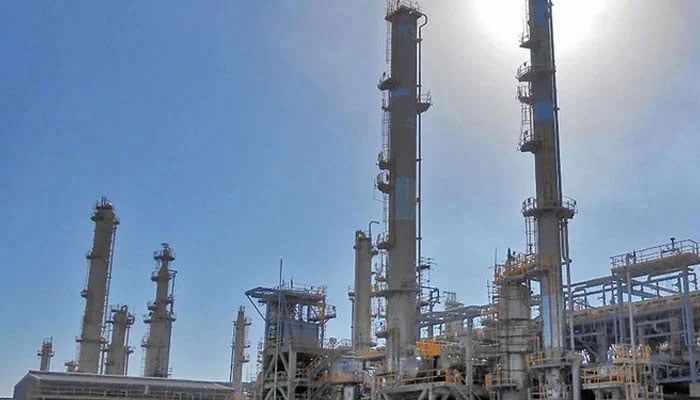
In a joint letter to the Oil and Gas Regulatory Authority (Ogra) available with The News, chief executives of Attock Refinery Limited, Cnergyico PK Limited, National Refinery Limited and Pakistan Refinery Limited, along with the managing director of Pak-Arab Refinery Limited, warned that unregulated cross-border product inflows were depressing domestic demand for locally refined fuel and threatening the viability of the entire sector.
“It is estimated that around 5,000 tonnes per day of high-speed diesel (HSD) is being smuggled into Pakistan against the total national demand of approximately 22,000 tonnes per day. This constitutes nearly 23 per cent of the country’s HSD demand,” Adil Khattak, CEO of Attock Refinery Ltd and Chairperson of the Energy Committee, OICCI.
“The government is reportedly losing approximately Rs80 per litre in terms of petroleum levy and customs duties, translating into an estimated revenue loss of around Rs475 million per day,” Khattak added.
The disclosure adds urgency to a crisis that industry observers say has gone unaddressed for years. The joint letter, copied to the Federal Minister and Secretary of the Ministry of Energy and Petroleum Division, asked Ogra to highlight the “potential adverse implications” of the smuggling on refinery operations and to recommend enforcement and monitoring measures.
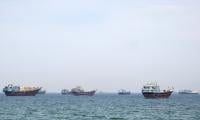
Khattak said the situation reached an inflection point in April when Balochistan’s government publicly announced it would permit the sale of smuggled Iranian diesel at Rs280 per litre within the province.
“Once such sales are permitted officially in Balochistan, it would be practically impossible to confine the product to the province alone,” he said.
He dismissed a separate argument, floated in some quarters, that smuggling should be tolerated to conserve foreign exchange. “Smuggling transactions are conducted in hard currency through unofficial channels, and it is difficult to understand how any illegal activity can be justified on such grounds,” Khattak said.
He said that it is alarming that consideration is being given to asking refineries to reduce diesel production instead of taking effective anti-smuggling measures. Such an approach would send extremely negative signals to the refining sector.
Khattak questioned how refineries could be expected to invest billions of dollars in upgradation and capacity enhancement when their existing production could not be sold due to unchecked smuggled inflows, a concern that goes to the heart of Pakistan’s long-stalled petroleum modernisation agenda.
Industrial sources said that upliftment of petroleum products by oil marketing companies (OMCs) from refineries has declined mainly due to the daily influx of smuggled fuel into Pakistan, which they estimate is costing the national economy around $35.6 million per month. They added that smuggled petroleum products, initially concentrated in Balochistan, have now expanded into parts of Khyber Pakhtunkhwa, Sindh and Punjab.
According to the refineries, if the situation is left unaddressed, it could escalate to levels seen in previous years, potentially reducing refinery throughput, affecting operational sustainability and disrupting the broader domestic fuel supply chain.
Industry representatives emphasised that the issue is not linked to curtailing production capacity, but rather to addressing what they described as “distortions in demand” caused by cheaper or unregulated petroleum entering the market outside formal supply mechanisms.
The refineries have urged Ogra to highlight the potential risks to the downstream petroleum sector and recommend stronger enforcement and monitoring measures to curb smuggling and safeguard the integrity of the regulated supply chain.