LAHORE: The prices of diammonium phosphate (DAP) fertiliser have once again increased as global markets tighten due to ongoing US-Iran tensions, raising concerns about reduced offtake and consequently lower crop yields in the current kharif season.
One after another, various fertiliser companies have raised DAP prices following limited imports. Fauji Fertilizer Company has raised the price of Sona DAP by Rs400 per bag to Rs15,633, effective May 12, 2026.
This marks a total rise of Rs1,624 in the recent upward trend. Engro Fertilisers has also increased its DAP price by Rs500 per bag to Rs15,640, effective May 8, 2026.Both companies attributed the price adjustments to limited supplies, rising international DAP prices and fluctuating global fertiliser markets. DAP-phosphoric acid margins increased to $242 per tonne in June, as phosphoric acid prices remained stable at $1,290 per tonne while DAP prices surged 19 per cent quarter-on-quarter (QoQ) to $849 per tonne, according to Arif Habib Ltd. The geopolitical tensions have created uncertainty in global supply chains, driving up landed costs for importers and local manufacturers.
Since March 5, 2026, the price of Sona DAP has risen from Rs14,187 per bag to the current maximum retail price of Rs15,633. EFERT’s DAP has increased from Rs14,203 to Rs15,640 during the same timeframe. In the open market, DAP is currently trading between Rs16,500 and Rs17,000 per bag, while NP is around Rs10,000 and urea is priced above Rs4,600 to Rs4,700 per bag.
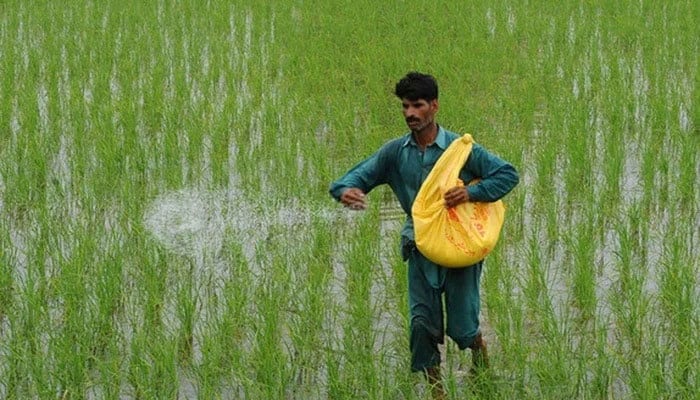
For farmers, the timing is critical. The latest hike pushes DAP close to Rs16,000 per bag just as summer crop season has been initiated. With input costs rising across the board, growers fear squeezed margins and reduced fertiliser use. Agronomists warn that this could force imbalanced application of nutrients. When DAP becomes unaffordable, farmers often cut phosphate use and rely only on urea, disturbing the NPK balance in the soil.
The imbalanced nutrient use poses a direct risk to productivity of major kharif crops, said Ebadur Rehman, a progressive grower. Cotton, rice, maize and sugarcane all require balanced fertilisation for healthy growth and optimal yields. Poor phosphate availability can stunt root development in cotton, reduce tillering in rice, weaken grain filling in maize, and lower sucrose content in sugarcane, he observed. If farmers skip or delay DAP due to the price hike, per-acre output of these crops could drop significantly this year, he warned.
He urged the government to review input pricing, ensure adequate supply at controlled rates and consider targeted relief before the season peaks. He particularly demanded action against artificial price hike of DAP in the market. He recalled that wheat productivity was hit hard in the outgoing rabi season partly due to low use of DAP.
Industry officials argue that domestic prices are tracking international trends and that sudden shocks are hard to absorb without passing costs on. Farmers, however, warn that repeated increases without timely subsidies or support will affect planting decisions and food output. For now, growers face another season of tough choices like high costs and nutrient imbalance that could weigh on national crop productivity.