ISLAMABAD: The government’s collection through Petroleum Levy has already surpassed expectations during the first nine and a half months of the current fiscal year, with total receipts reaching Rs1,234 billion by April 14, 2026, against the annual target of Rs1,468 billion. At the existing pace of collection, the Petroleum Levy is projected to hover around Rs1,560 billion by June 30, 2026, reflecting aggressive revenue mobilisation through higher fuel taxation amid continued IMF-driven fiscal consolidation measures.
The government increased the petroleum levy on Friday night to comply with the commitment made to the International Monetary Fund (IMF) to impose and collect an average levy of Rs160 per litre on both diesel and petrol.
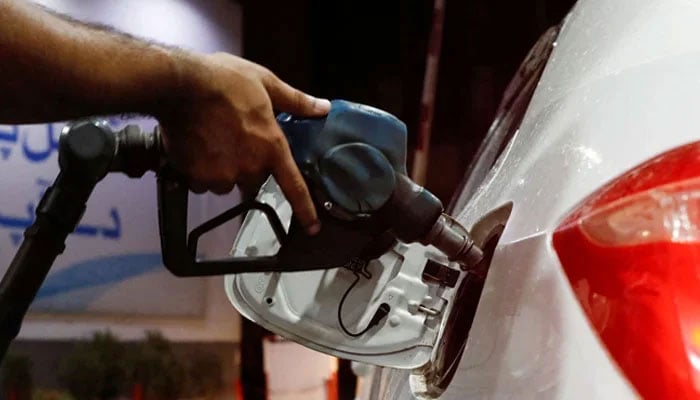
Interestingly, the Petroleum Levy on High-Speed Diesel has been increased to Rs42.60 per litre with effect from May 9, 2026, from the earlier rate of Rs28.69 per litre. On petrol, the levy has been increased to Rs117.41 per litre from the earlier rate of Rs103.50 per litre. In totality, the Petroleum Levy on both diesel and petrol is now being charged at Rs160 per litre in line with the limit agreed with the IMF.
Independent economists say there is no justification for increasing the Petroleum Levy, as on an average, the government was collecting Rs129 billion as Petroleum Levy during the first nine and a half months. With this pace of collection, the government might exceed its target and could collect as much as Rs1,560 billion on account of Petroleum Levy by June 30, 2026.
With fuel prices touching Rs415 per litre at the retail stage, this will further push up CPI-based inflation, paving the way for further tightening of monetary policy under the dictates of the IMF. This vicious cycle will compromise the growth trajectory and push up prices across the country. According to official data, the government collected Rs157 billion in levy in July 2025, Rs103.4 billion in August, Rs112.8 billion in September, Rs143.5 billion in October, Rs148.3 billion in November, Rs162.5 billion in December 2025, Rs108.76 billion in January 2026, Rs120.394 billion in February 2026, Rs139.48 billion in March 2026, and Rs37.268 billion up to April 14, 2026.
When contacted, Dr Khaqan Najeeb, former Adviser to the Ministry of Finance, explained that the recent increase in Petroleum Levy and the consequent rise in petrol and diesel prices to around Rs415 per litre may provide short-term fiscal support, but it also risks adding pressure on inflation-sensitive households and businesses. He noted that repeated fuel price adjustments quickly feed into transport fares, food distribution and logistics costs, while also affecting broader CPI inflation over time.
Dr Khaqan observed that Pakistan’s inflation structure is highly fuel-intensive because supply chains are largely road-based, rail freight remains weak, urban transport lacks mass transit integration and diesel dependence in agriculture remains high, resulting in an unusually strong pass-through of petroleum price shocks across the economy. He added that the latest SPI data released on Friday, May 8, showed inflation rising by nearly 15 per cent year-on-year, reflecting continued pressure from higher fuel and essential commodity prices.