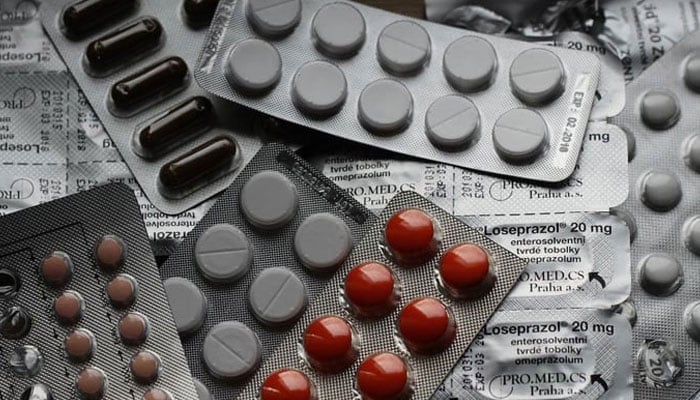
ISLAMABAD: Prices of more than 42 per cent deregulated non-essential medicines declined in Pakistan after the government removed price controls in 2024 while only around two per cent remained unchanged, according to a survey presented by the Drug Regulatory Authority of Pakistan (Drap) before the Senate Standing Committee on National Health Services on Thursday.
However, the survey also revealed that prices of over 55 per cent medicines increased following deregulation, including dozens of products that recorded sharp and in some cases extraordinary price hikes. The findings were shared during a briefing to the parliamentary panel on the impact of deregulation of non-essential medicines under SRO 228(I)/2024.
According to the National Pharmaceutical Pricing Survey 2025 and 2026, the Drap assessed 771 Stock Keeping Units (SKUs) and brands representing the country’s top 500 non-essential medicine brands. Officials informed the committee that 329 products, or 42.67 per cent, were available in the market below their previously approved Maximum Retail Prices (MRPs), while prices of only 18 products, or 2.27 per cent, remained unchanged after deregulation. At the same time, prices of 424 products, or 55.06 per cent, exceeded their pre-deregulation approved prices.
The data showed that among medicines whose prices increased, 31 brands and SKUs witnessed price hikes of more than 100 per cent, while 62 products recorded increases ranging between 50 to 100 per cent. Another 331 products were sold at prices up to 50 per cent above their earlier approved MRPs. Documents presented before the committee showed that some commonly used medicines registered exceptionally steep increases after deregulation.
Price of a brand for fever and cold increased from Rs27.60 per 100 tablets in 2024 to Rs475 in 2026, reflecting a rise of over 1,621 per cent. Tablets for bone health made by a company became over 302 per cent more expensive, while an analgesic cream of a popular brand recorded an increase of over 244 per cent.
Similarly, prices of a common anti-allergy injection increased from Rs432 to Rs1,500 per pack, tablets used for inflammatory bowel condition rose by over 241 per cent, while an eye ointment increased from Rs34 to over Rs113. A laxative syrup and drops recorded increases of around 200 per cent, while a brand of prochlorperazine tablets used for nausea and vertigo became around 188 per cent more expensive.
Briefing the committee, DRAP officials maintained that the survey was conducted to generate national evidence regarding retail pricing trends after deregulation and to compare prevailing market prices with pre-deregulation approved MRPs. Officials claimed that all 771 surveyed products were available in the market at the time of the survey which according to them reflected improved availability of medicines after deregulation.