PARIS, France: Gyms and cafes have reopened in Tehran as life returns to a familiar rhythm under a ceasefire following weeks of US-Israeli airstrikes, but for IT worker Mayhar such everyday amenities are out of reach as financial pressures mount.
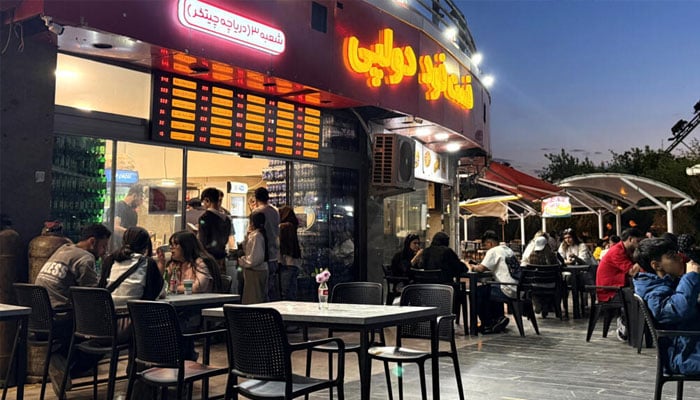
Trendy cafes in affluent northern Tehran were busy on Wednesday night, the start of Iran´s weekend, with men and women sipping colourful drinks and strolling the streets.
But the sense of normalcy belies the economic pains weighing on many Iranians in the capital and beyond, as Tehran and Washington face off with market-rattling blockades.
“For many people, paying rent and even buying food has become difficult, and some have nothing left at all,” 28-year-old Mahyar told an AFP reporter based outside Iran, saying the company he worked for had laid off 34 people -- nearly 40 per cent of its staff.
Salaries hadn´t been increased either, Mahyar said, and inflation, already over 45 per cent before the war, reached 53.7 per cent in recent weeks, according to the national statistics centre.
“Only those who had real estate, large businesses and significant wealth still have a normal situation,” he said.
The Iranian rial plummeted to a record low against the dollar on Wednesday, according to currency-tracking websites, trading at around 1.8 million on the black market, compared to 1.7 million at the time the war erupted.
Iran´s deputy labour minister said that 191,000 people had filed for unemployment after losing their jobs due to the impacts of the war.