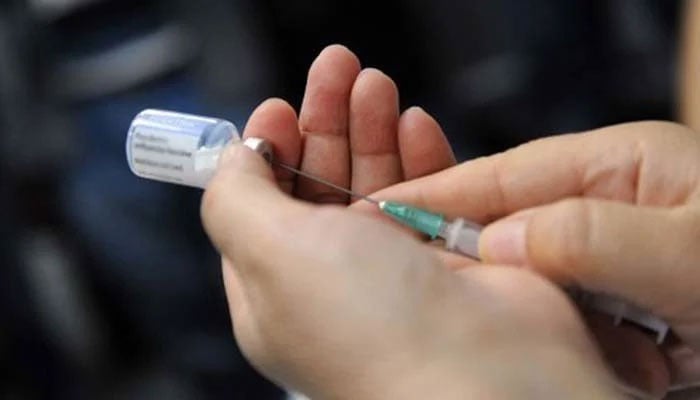
ISLAMABAD: Pakistan has emerged as the single largest contributor to the global number of people living with hepatitis C, while also ranking among the 10 countries accounting for most hepatitis C related deaths worldwide, according to the World Health Organisation’s Global Hepatitis Report 2026, raising fresh concerns over unsafe injections, reusable syringes and weak infection prevention practices in the country.
The WHO report says hepatitis B and C remain among the world’s deadliest infections despite being preventable, treatable and, in the case of hepatitis C, curable. Globally, 287 million people were living with chronic hepatitis B or C in 2024, including 240 million with hepatitis B and 47 million with hepatitis C.
Hepatitis B and C caused 1.34 million deaths in 2024, including 1.1 million deaths from hepatitis B and 240,000 from hepatitis C, mostly due to liver cirrhosis and liver cancer. The two infections account for over 95 per cent of viral hepatitis related deaths worldwide.
For Pakistan, the most alarming finding is its position in the global hepatitis C burden. The WHO report states that Pakistan “stands out clearly” as the single largest contributor to the global number of people with hepatitis C infection, followed by India and China.
Together, Pakistan, India and China account for around 39 per cent of the global hepatitis C burden. Pakistan is also among the 10 countries that accounted for 58 per cent of global hepatitis C related deaths in 2024, along with China, India, Indonesia, Japan, Nigeria, Russia, South Africa, United States and Vietnam.
The report links the global hepatitis C burden to historical transmission, unsafe medical practices, injecting drug and gaps in diagnosis and treatment. In Pakistan’s context, this is particularly significant as recent field reporting by The News from different cities found continued availability of banned reusable syringes and fake auto disable syringes, which experts fear can fuel transmission of hepatitis B, hepatitis C and HIV when used repeatedly by unqualified practitioners. Health experts say the findings should serve as a warning for Pakistan, where unnecessary injections remain common, quackery is widespread and infection prevention practices are poorly enforced in both formal and informal healthcare settings.
Fake auto disable syringes, which are sold as safer devices but can still be reused, pose an additional threat because they create a false sense of protection among patients and healthcare providers.
Globally, WHO says 0.9 million new hepatitis B infections and another 0.9 million hepatitis C infections occurred in 2024, meaning 1.8 million new infections in a single year, or more than 4,900 new infections every day. People who inject drugs accounted for 44 per cent of new hepatitis C infections globally, but unsafe medical injections and procedures remain a major concern in several high burden countries.
The report says only 20 per cent of people with hepatitis C have been treated since 2015, despite the availability of short course curative therapy that can cure more than 95 per cent of infections. For hepatitis B, fewer than five per cent of the patients living with chronic infection were receiving treatment in 2024.
The report notes that hepatitis B vaccination protects more than 95 per cent of vaccinated people, while hepatitis C can be cured within 8 to 12 weeks of direct acting antiviral therapy. However, WHO warned that current progress was insufficient to meet the 2030 elimination targets, which include sharp reductions in new infections and deaths.
For Pakistan, experts say the immediate priorities are mass screening, affordable treatment, strict enforcement against reusable and fake auto disable syringes, regulation of injection practices, stronger blood safety, and action against unqualified practitioners. Without controlling unsafe injections, they warn, Pakistan may continue to treat old hepatitis C cases while generating new ones.