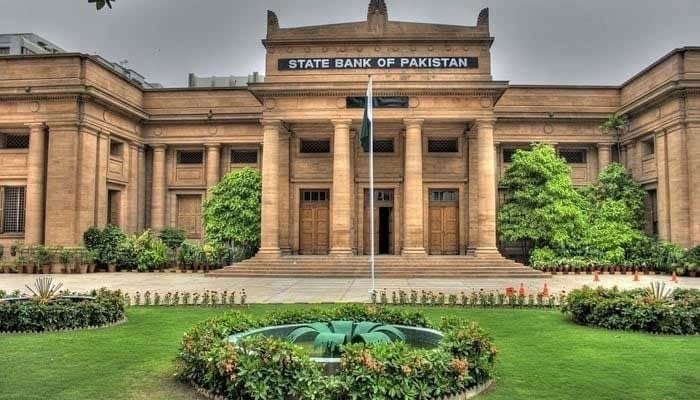
KARACHI/ISLAMABAD: The State Bank of Pakistan (SBP) raised its benchmark interest rate by 100 basis points (bps) to 11.5 per cent on Monday, marking the first hike in almost three years, in an effort to combat the inflationary impact of the Middle East conflict.
The SBP’s move was something of a surprise, as most analysts were expecting no change in the policy rate. However, financial markets had wagered on an increase in rates as reflected in the secondary market yields, although there were only a few forecasts for a significant hike.
War-driven surge in energy prices could keep inflation stuck above the target range, even pushing into double digitsPakistan last increased its policy rate in June 2023, raising it by 100bps to a record high of 22 per cent. In June 2024, the central bank began an easing cycle, cutting rates by a cumulative of 1,150bps.
In its post-meeting statement, the SBP said that the ongoing conflict in the Middle East has intensified risks to the macroeconomic outlook. It pointed to rising global energy prices and increased freight charges and insurance premiums, as well as supply chain disruptions, all of which have contributed to the current uncertainty.
“While the incoming data has been broadly in line with the MPC’s [Monetary Policy Committee] expectations so far, the impact of these global developments will be visible in key economic indicators going forward,” the SBP said.
“Going forward, the MPC assessed that the current supply shock may push inflation to double digits in the coming months before it starts to ease subsequently,” it added. “However, inflation is expected to stay above the upper bound of the target range of 5-7 per cent for most of FY27.”
When contacted, Dr Khaqan Najeeb, former adviser to the Ministry of Finance, said the Monetary Policy Committee’s decision to raise the policy rate to 11.5 per cent is a strong pre-emptive response to a classic external supply shock rather than domestic demand overheating.
With energy prices, freight and insurance costs elevated due to the Middle East conflict, inflation risks are clearly shifting upward, and the uptick in core inflation and weakening expectations justified a tighter stance.
That said, the magnitude of the increase (100bps) appears on the higher side; a more measured move may have delivered a similar signalling effect while preserving policy flexibility as the shock evolves. Monetary tightening in this context can anchor expectations and contain second-round effects, but it cannot offset imported inflation. The stronger signal, therefore, is the central bank’s emphasis on credibility and macroeconomic stability as inflation is set to remain above target for a prolonged period.
He explained that at the same time, the macro picture is more balanced than in past episodes: growth has recovered to around 3.8 per cent, the current account has shifted into a small surplus, and reserves have been rebuilt alongside renewed market access and an IMF anchor. However, he felt this stability was fragile.
Agriculture faces a weaker outlook due to lower wheat production, placing FY26 growth at the lower bound with further moderation expected in FY27. Inflation is likely to rise into double digits in the coming months and remain above the 5–7 percent target through most of next year, while the external sector faces renewed pressure from worsening terms of trade amid the energy shock.
Fiscal slippages, evidenced by a tax shortfall of Rs611 billion and compounded by untargeted energy subsidies, risk diluting the impact of monetary tightening. Going forward, the policy mix will be critical: monetary restraint must be complemented by credible fiscal consolidation and structural reforms to ease supply constraints and strengthen external resilience; otherwise, the burden on interest rates will rise, at the cost of growth, without fully resolving inflation, he concluded.
In March, CPI inflation increased to 7.3 per cent YoY, up from 7.0 per cent in the previous month. Core inflation also inched up to 7.8 per cent.
The SBP said it is necessary to maintain a tighter policy stance to keep inflation expectations anchored and contain second-round effects of the current supply shock to bring inflation within the target range. “This will be important to preserve macroeconomic stability, which is necessary for achieving sustainable economic growth.”
The central bank expects GDP growth for the fiscal year 2026 to remain at the lower bound of the previously projected range of 3.75-4.75 per cent.
While the central bank believes that the interest rate hike was warranted and appropriate, economists have argued that it was unjustified. They are now gauging whether Monday’s decision has paved the way for a more aggressive tightening of monetary policy.
Seasoned economist and former finance ministry adviser Dr Ashfaque Hasan Khan stated that the rising prices in Pakistan are not due to excessive demand. Instead, they are primarily caused by increasing oil prices and disruptions in the supply chain, factors over which we have no control.
“Do we think that by raising the interest rates, we can reduce the price of oil and restore the supply chain? The shock is coming from the supply side, for which interest rate is not an ideal policy instrument,” Khan said.
“A high interest rate will have a serious impact on our budget because interest payments will increase. It will widen fiscal deficits, leading to more borrowing to fill the revenue-expenditure gap, leading to more accumulation of public debt,” Khan added.
Second, a high interest rate will add to the cost of production, which will be passed on to consumers. It will further increase inflationary pressure, he said. “Since we had committed to the IMF in the last review, we had to increase the interest rate. This has nothing to do with Pakistan’s current economic fundamentals.”