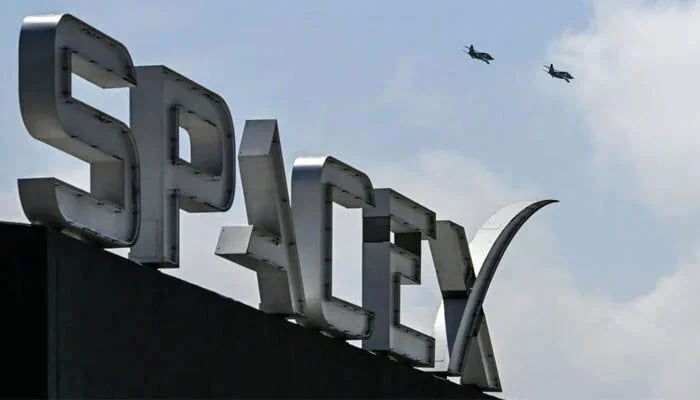
KARACHI: Sualeh Asif, the Pakistani-born co-founder of AI startup Cursor, has come into focus after SpaceX said it is working with the company on advanced artificial intelligence tools and has secured an option to acquire it in a deal valued at $60 billion.
SpaceX said in a post on X that the partnership will combine Cursor’s coding-focused AI products with its own large-scale computing infrastructure, including a training system it described as equivalent to one million Nvidia H100 chips.
Cursor, co-founded by Asif, develops AI models for software engineering and knowledge-based tasks. The collaboration aims to build more advanced systems for developers, placing the startup at the centre of intensifying competition in the AI coding space.
Under the agreement, Cursor has granted SpaceX the option to acquire the company later this year for $60 billion. Alternatively, SpaceX could pay $10 billion linked to the partnership, the company said.
The development is likely to strengthen xAI, the Grok chatbot maker that SpaceX merged with in February, in a segment where it has lagged rivals, according to a report by The Guardian. The tie-up also gives Cursor access to significantly greater computing capacity to train its models.
Asif, originally from Karachi, attended Nixor College before enrolling at the Massachusetts Institute of Technology (MIT). He has since entered the Forbes billionaires list with an estimated net worth of about $1.3 billion.
The announcement has drawn attention within Pakistan’s tech sector, where industry figures say Asif’s trajectory highlights the country’s talent pool and the constraints it faces domestically.
Bilal bin Saqib, chairperson of the Pakistan Virtual Assets Regulatory Authority (PVARA), said the deal points to the rise of “AI billionaires” and reflects the potential of Pakistani talent. In his post on X, he described it as a proud moment for the country and proof that young Pakistanis can compete globally.
He noted that Asif’s experience at MIT provided access to capital, computing power and a supportive ecosystem, contrasting it with gaps at home. Pakistan, he said, does not lack talent but the infrastructure to support it, arguing that with the right policies and investment, similar successes could emerge domestically.
Venture capital investors and tech experts have pointed to the gap between local talent and the availability of capital, infrastructure and policy support, arguing that such constraints continue to drive entrepreneurs abroad.
In his post on X, former IT minister of Pakistan Umar Saif praised Sualeh’s role. He said that he is “the kind of role models Pakistani youth needs. Not property dealers, tax evaders, bank defaulters, rent seekers, born into wealth etc. But a self-made kid from a middle-class family in Karachi. Studied at MIT, started a hugely impactful company, changed the way people write code, now worth over $1billion at the age of 26!”
Laeeq Ahmad, founder of Pakistan’s venture capital firm Sarmayacar, said that the country is underestimating its talent. “Millions of Pakistanis left for better future and the government is happy because they are sending remittances from abroad.” “Imagine a single person making [the same impact as Sualeh] but from Pakistan. For that, the government need to make policy level changes and incentivise those who dare to dream and make that impact.” SpaceX’s broader push into artificial intelligence comes as it prepares for a potential public listing that could value the company at around $1.75 trillion, with fundraising expected to reach $75 billion.